
Family routines4 min read
A weekly reset that leaves room for real life
A short look ahead, a few useful resets, and permission to leave the rest for another day.
Read the guideTopic guide · Paper, plans & money
Most household stress is information with nowhere to go: forms, bills, passwords, warranties and plans that only one person remembers. A calendar, a few folders and a short weekly meeting can carry a surprising amount of it.
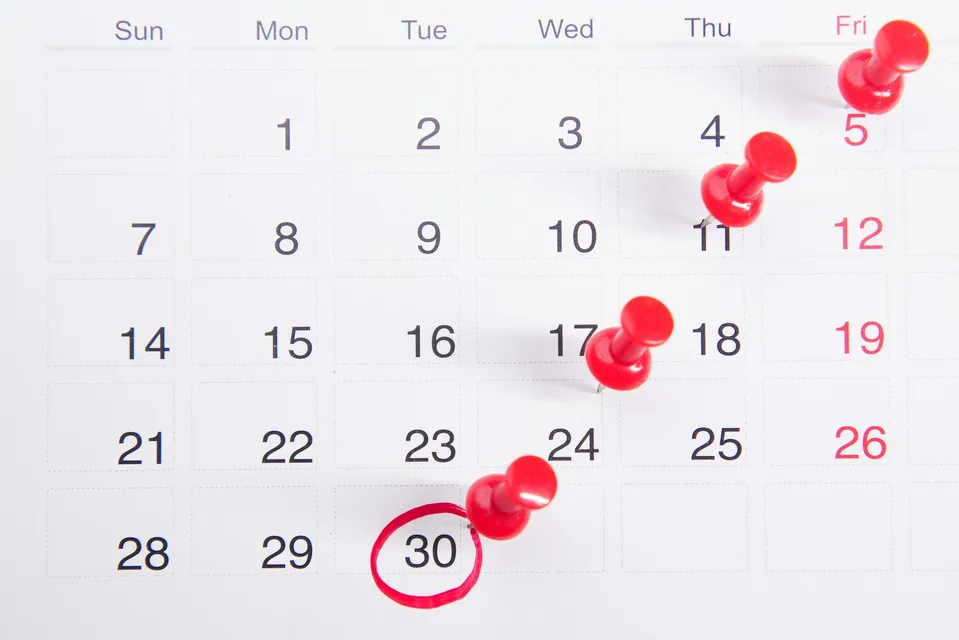
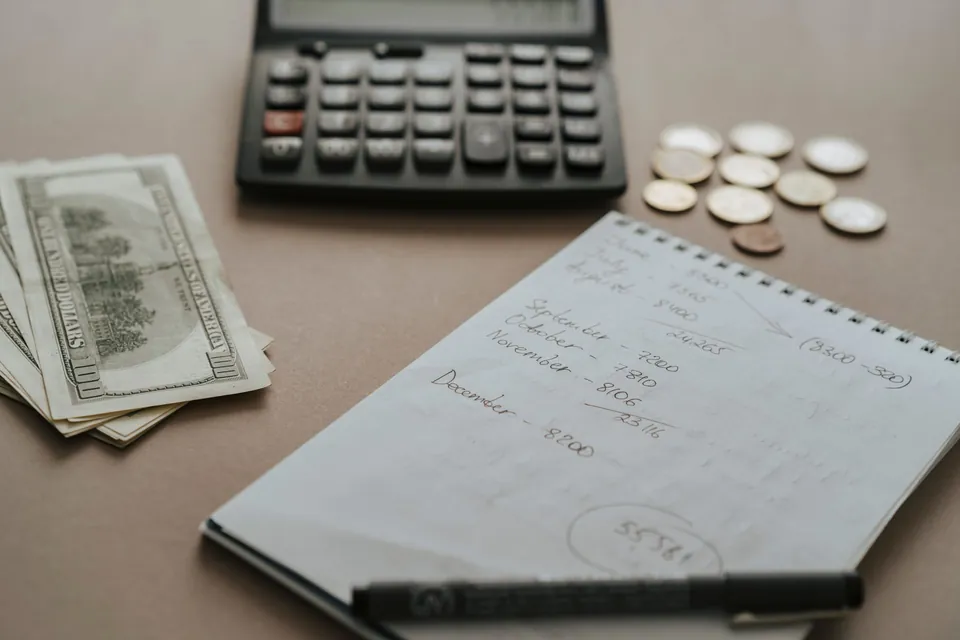

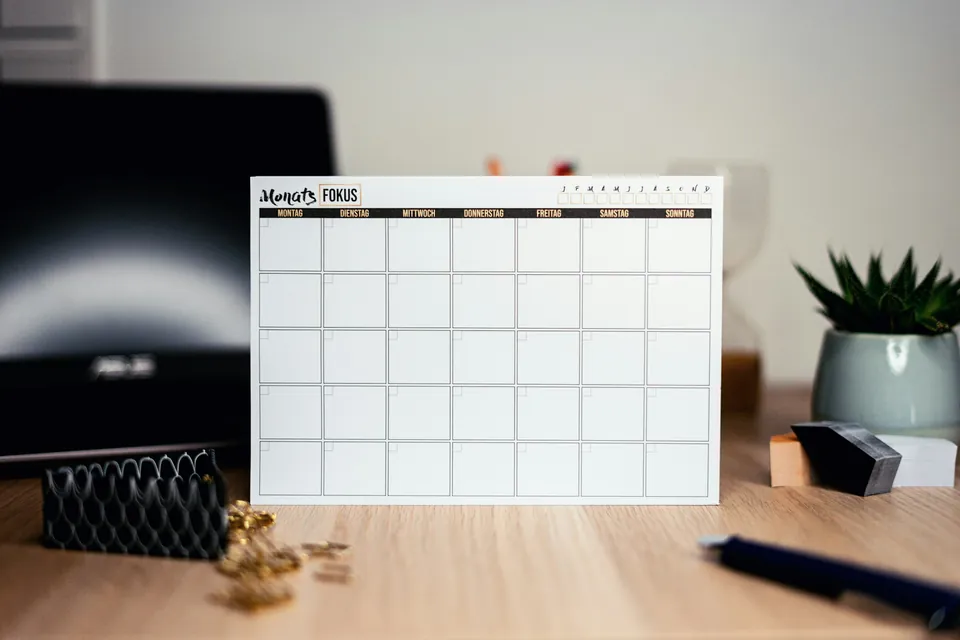
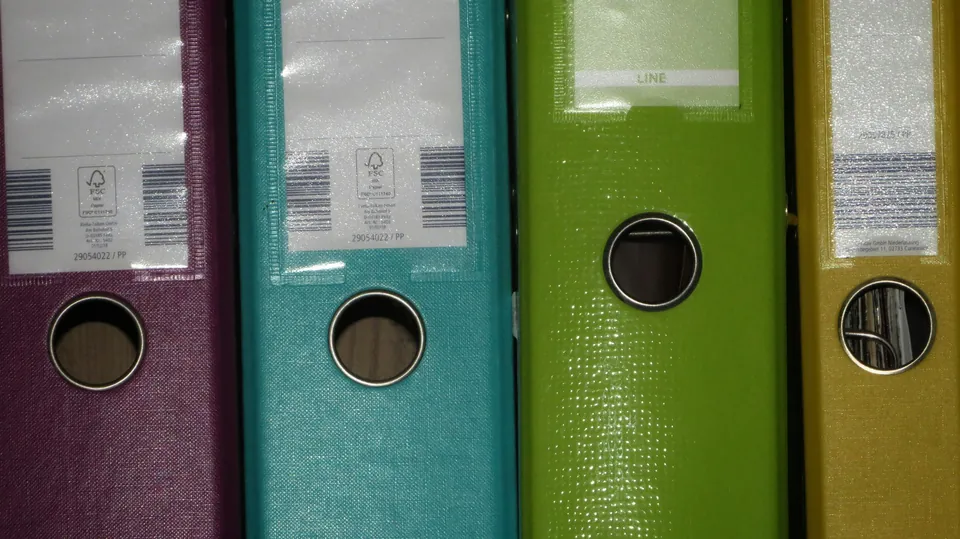
Photos: Towfiqu barbhuiya / Unsplash · olia danilevich / Pexels · Cabri Caldwell / Unsplash
Sound familiar?
You’re in the right place. Start with the guide below, then pick whatever fits your home.
Start here · 3 min read
Separate what needs action from what needs keeping, before the counter disappears.
Paper, plans & money · 21 guides
A short look ahead, a few useful resets, and permission to leave the rest for another day.
Read the guidePut the practical details beside the event, then agree who owns the next action.
Read the guideThe information you need twice a year, kept in one place you can find in under a minute.
Read the guideNoticing, planning and remembering are work too. Here is how to make them visible and shareable.
Read the guideA display spot, a one-box-per-year limit and a few photos keep the memories and lose the piles.
Read the guideThe basic tools in one place, the paperwork in another, and a monthly check that takes ten minutes.
Read the guideOne list everyone can add to, grouped the way the shop is laid out, with a standing list of staples.
Read the guideOne box per child, one folder per school year and a simple rule for what earns a place.
Read the guideOne spot for things that need to leave the house, with receipts attached and a weekly errand run.
Read the guideFive simple sections that put bills, spending and goals in one place you can look at together.
Read the guideA simple keep-forever, keep-for-years and shred-soon system, with the IRS guidance on tax records.
Read the guideWalk each room with your phone, note the big items and keep a copy somewhere other than the house.
Read the guideA password manager, multifactor sign-in and an emergency plan for the accounts that matter.
Read the guideAppreciations, the week ahead, one problem to solve and something fun to plan. That is the whole agenda.
Read the guideManuals, warranties, service records and the numbers you need in a hurry, all in one binder.
Read the guideWhich documents to gather, how to protect the originals and how to keep copies you can reach anywhere.
Read the guideContacts, routines, allergies, house rules and what to do in an emergency, on a few clear pages.
Read the guideBookings, documents, packing lists and a loose daily plan, in one folder or one shared note.
Read the guideStart eight weeks out, pack room by room, keep a first-night box and protect the children’s routines.
Read the guideEverything you need to know about setting up a centralized station for your family's schedules, mail, and important documents.
Read the guideFree tools for this
A 15-minute weekly agenda: appreciations, the week ahead, one problem to solve and something fun.
Open the tool Room by roomWork through every room for an insurance inventory, with notes that stay on your device.
Open the tool Printable formContacts, meeting places and where things are kept, filled in on screen and printed. Nothing is saved.
Open the toolComplete bundle · 3 versions · 50% off right now
A fillable family emergency binder for the details that matter when life gets hard: contacts, health, money, insurance, the house, digital accounts, legal documents and wishes, organized in 13 tabbed sections.
Not ready yet? Start with the free family emergency info sheet ↗
Home systems for this
Questions families ask
Put the system where people already are, make it easier than the old habit and show everyone how it works. If a system only works when one person keeps reminding everyone, it needs redesigning, not more reminders.
Share the loadGive paper one inbox, then sort by next step: action, reference and ready to return. Put dates straight onto the calendar and clear the action folder at a set time each week.
Try the three-folder systemOnly what changes this week: the calendar, an action tray for papers, outgoing items and perhaps the meal plan. Things you need occasionally belong in a binder instead.
Set up the command centerContacts, school and activity details, home maintenance information, caregiver notes and emergency information. Original passports and birth certificates stay in secure storage; the binder just says where.
Build the binderWrite out every household job, including the thinking parts, then hand over whole jobs from start to finish instead of single errands. One shared calendar and one shared list mean nobody has to be the reminder service.
Share the mental loadWhichever your household will actually check. Many families use a shared digital calendar for adults and a simple paper week-view for children. Agree which one is the source of truth.
Make the calendar workHousehold contacts, an out-of-area contact, two meeting places, school details, and where the water shutoff, first aid supplies and important documents are kept. Review it twice a year.
Fill in the free sheetDisplay new pieces first, then use a container limit such as one box per child per school year. Let your child help choose favorites and photograph the rest.
Read the artwork guideIdeas to save





Our Pinterest board for this topic collects more ideas worth saving.
See the board on Pinterest ↗Also around this problem
Photos: Vitaly Gariev / Unsplash · Mathurin NAPOLY / Unsplash · National Cancer Institute / Unsplash
We use analytics cookies to understand how visitors use our site. Functional cookies (session and page variant) are always set. See our Privacy Policy.