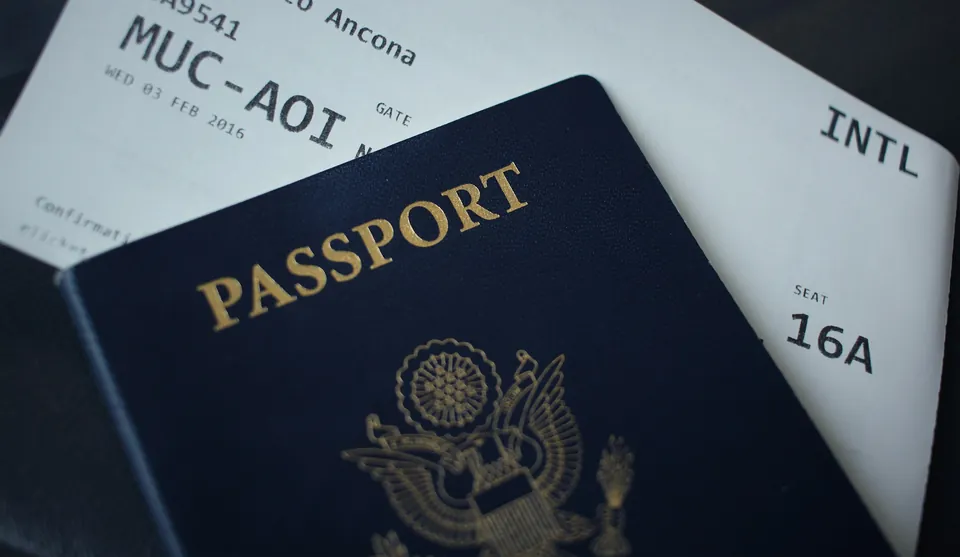
In an emergency, or simply when a form asks for a birth certificate, you need to find important documents quickly. Gathering them once and storing them well saves a great deal of stress.
Identification
- Birth certificates, passports and national ID cards
- Social Security cards (or your country’s equivalent)
- Driver’s licenses
- Marriage, divorce, adoption and custody papers
- Citizenship or immigration documents
Money and property
- Insurance policies: home, car, life and health
- Deeds, mortgage or lease documents and vehicle titles
- Bank, pension and investment account details (not passwords)
- Recent tax returns
Health
- A list of each person’s medicines, allergies and medical conditions
- Health insurance cards
- Vaccination records
- Doctor, dentist and pharmacy contacts
Legal and family
- Wills, powers of attorney and guardianship arrangements
- Pet records and microchip numbers
How to store them
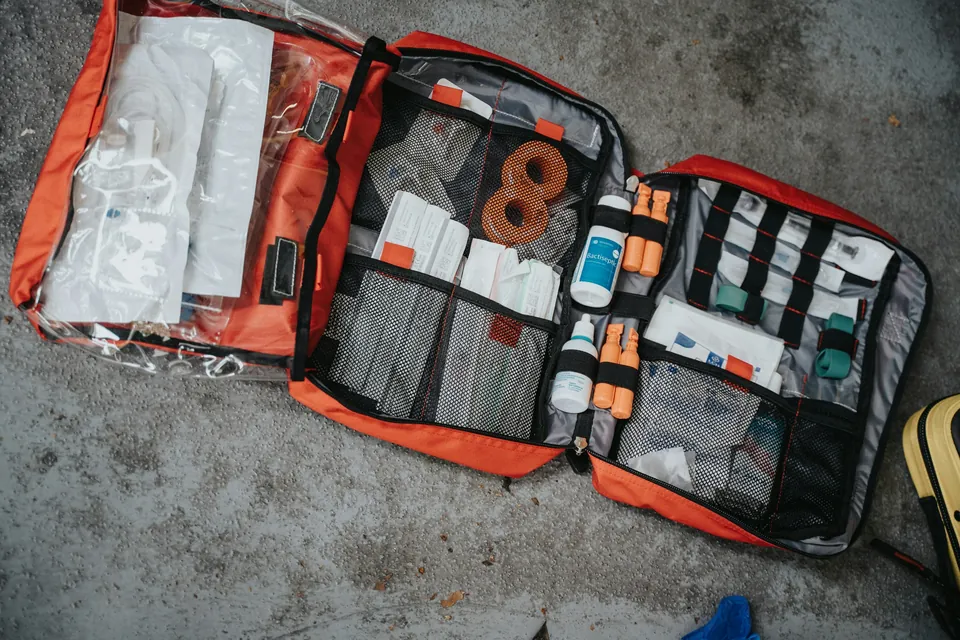
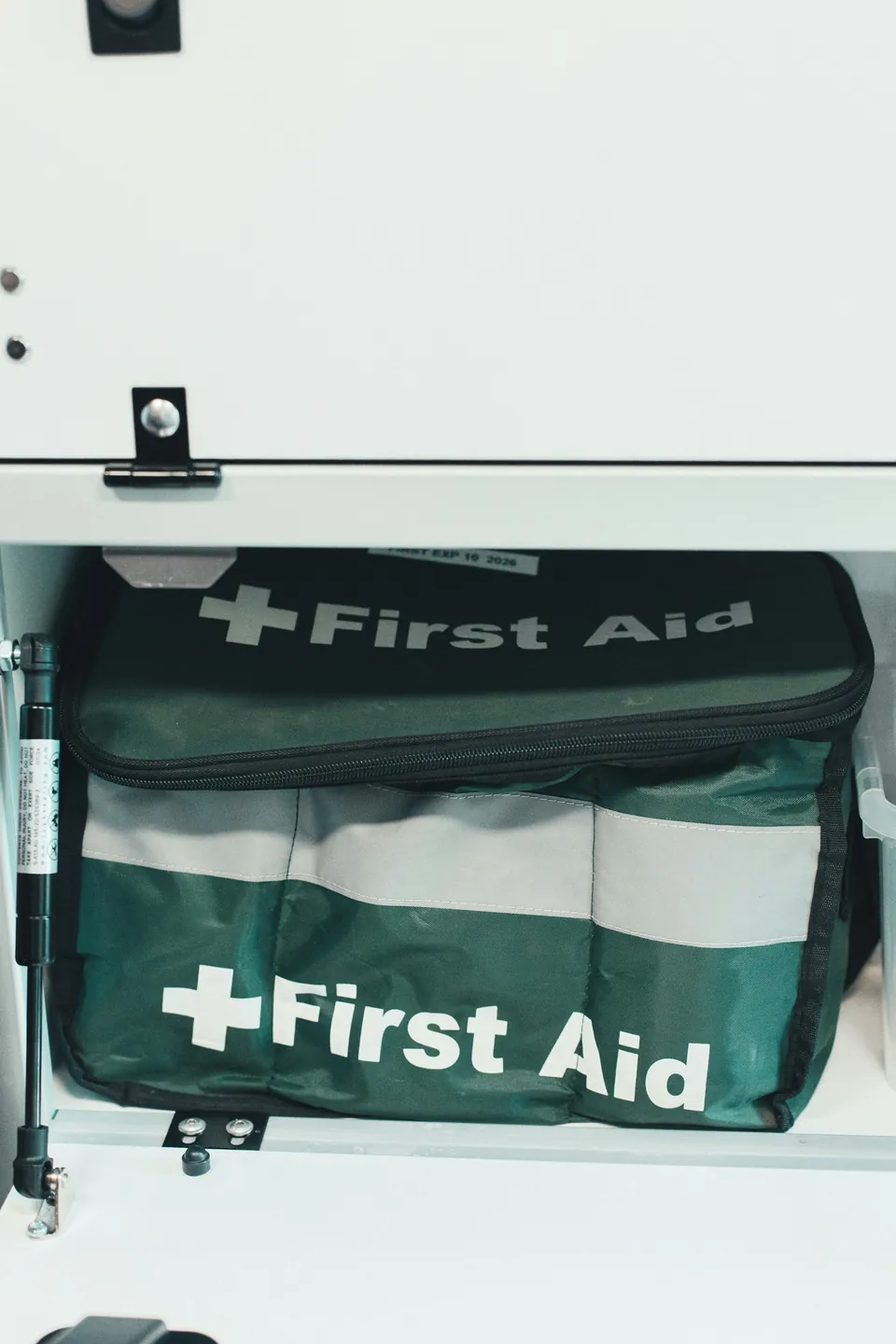
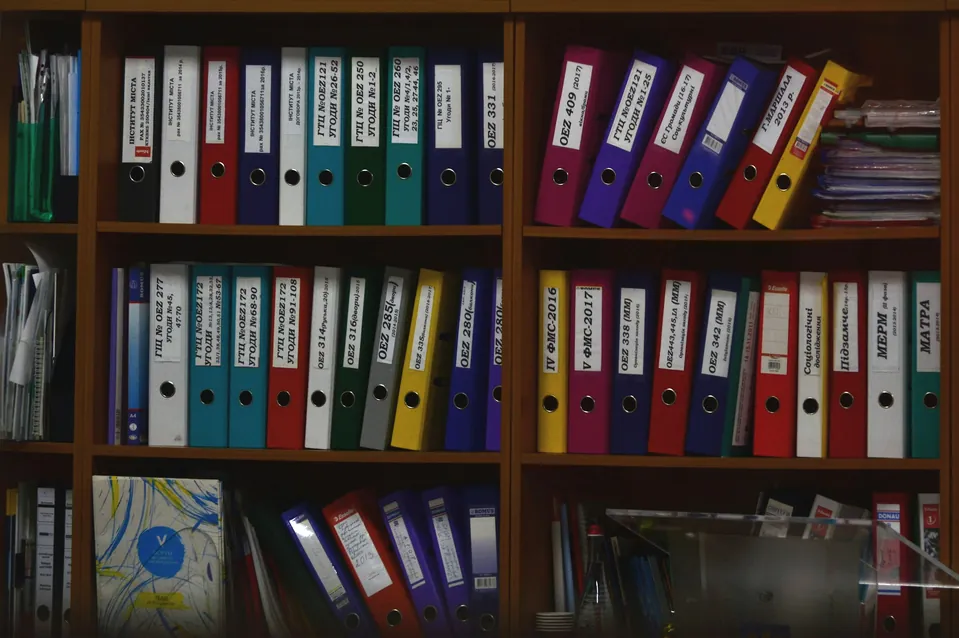
Keep originals in a fire-resistant, waterproof box or a safe deposit box. Keep copies in a waterproof bag in your emergency kit and secure digital copies, for example in encrypted cloud storage. Tell another trusted adult where they are.
Review once a year
Update the list when passports are renewed, policies change or a new baby arrives. FEMA’s Emergency Financial First Aid Kit (EFFAK) is a free, detailed workbook for this. For what to keep and what to shred, see what household papers to keep.
Sources & further reading
Adapt these ideas to your household. Organization guidance is general information, not medical, safety or financial advice.