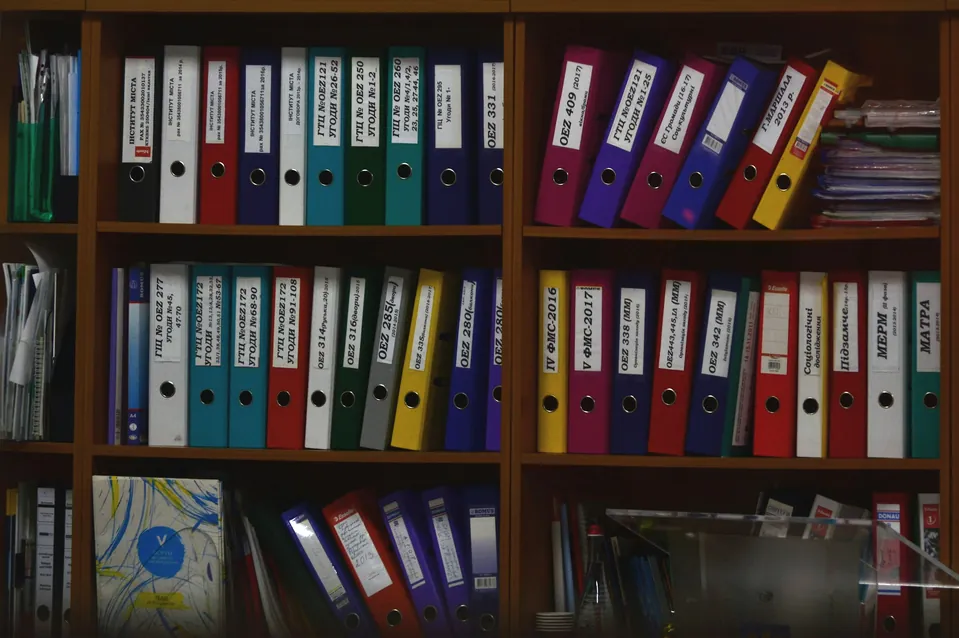

A budget binder is not about strict rules. It is a single place where the household’s money information lives, so planning stops depending on one person’s memory. This is an organizational guide, not financial advice.
Gather what you already have
Collect recent pay slips, bank statements, regular bills and any debts or savings accounts. You only need the last month or two to begin.
Five sections to start with
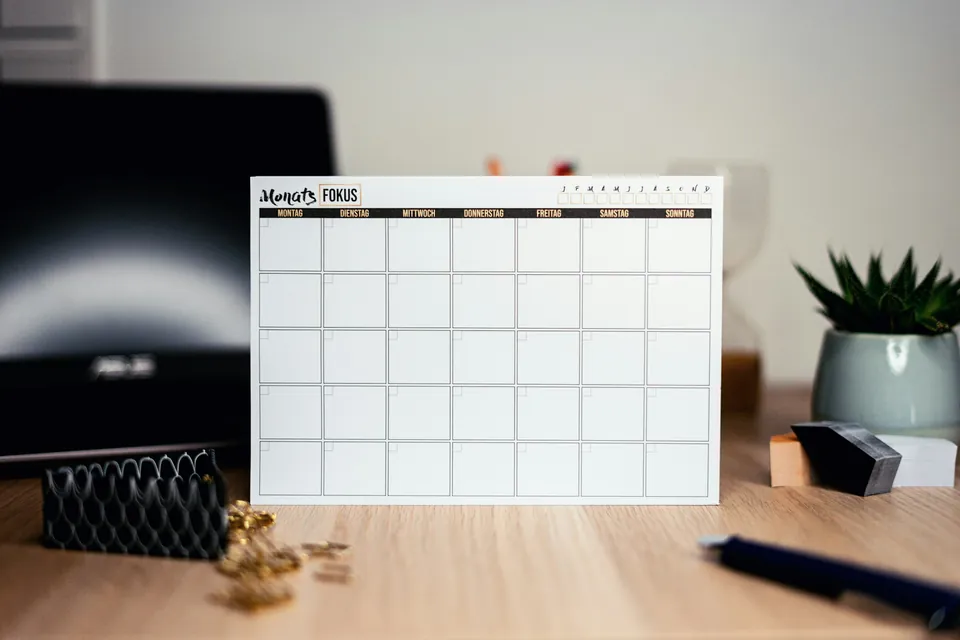
- Monthly overview: money coming in, fixed bills going out and what is left for everything else.
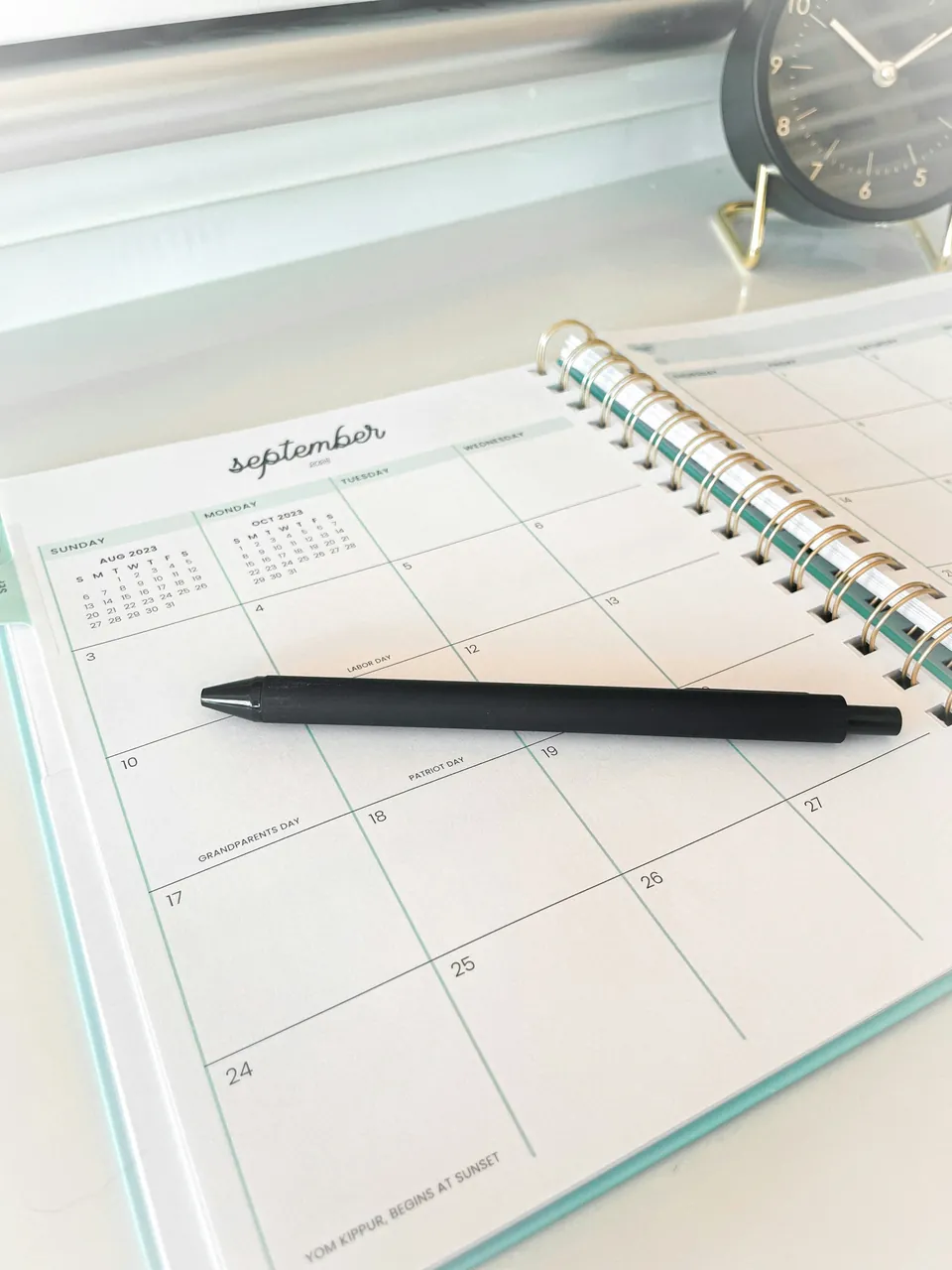
- Bill calendar: each bill, its due date and how it is paid. Mark automatic payments.
- Spending tracker: a simple page per month for groceries, fuel, children’s activities and the categories that change most.
- Goals: one page for savings goals, like a holiday or an emergency fund, with a target and a monthly amount.
- Accounts and contacts: which accounts exist and the phone numbers you would need, but never passwords or full account numbers.
Hold a short monthly money date
Once a month, sit down with your partner or on your own for twenty minutes. Fill in last month’s numbers, look at the next month’s bills and agree on one small change. Adding it to your weekly family meeting once a month works well.
Keep it private and simple
Store the binder somewhere private, not on the family command center wall. For papers that need keeping, see what household papers to keep, and for how long.
If money is tight
The U.S. Consumer Financial Protection Bureau has free, plain-language tools for budgeting and debt. A nonprofit credit counselor can help with a plan if bills are overwhelming.
Sources & further reading
Adapt these ideas to your household. Organization guidance is general information, not medical, safety or financial advice.