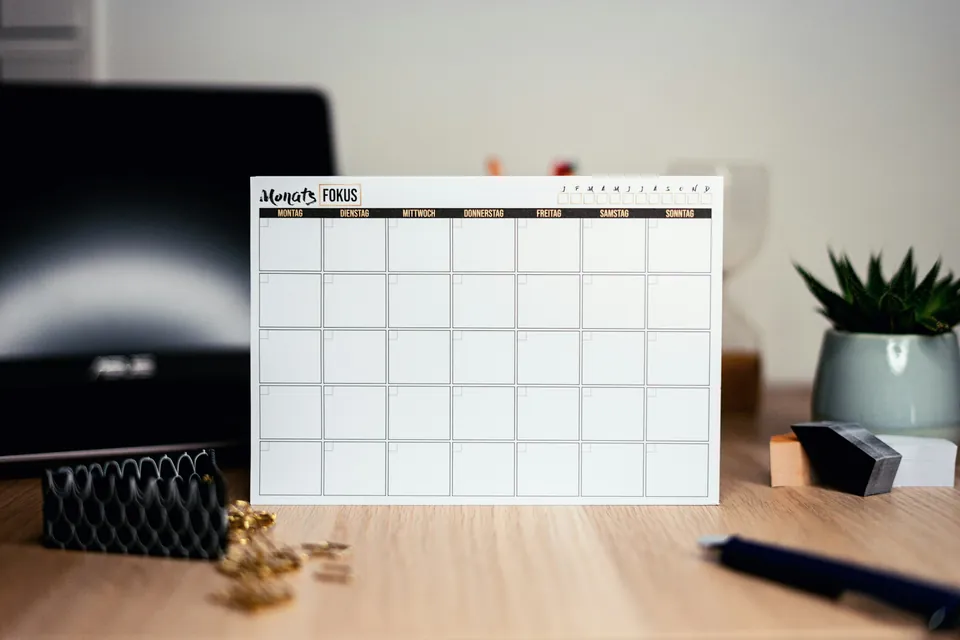
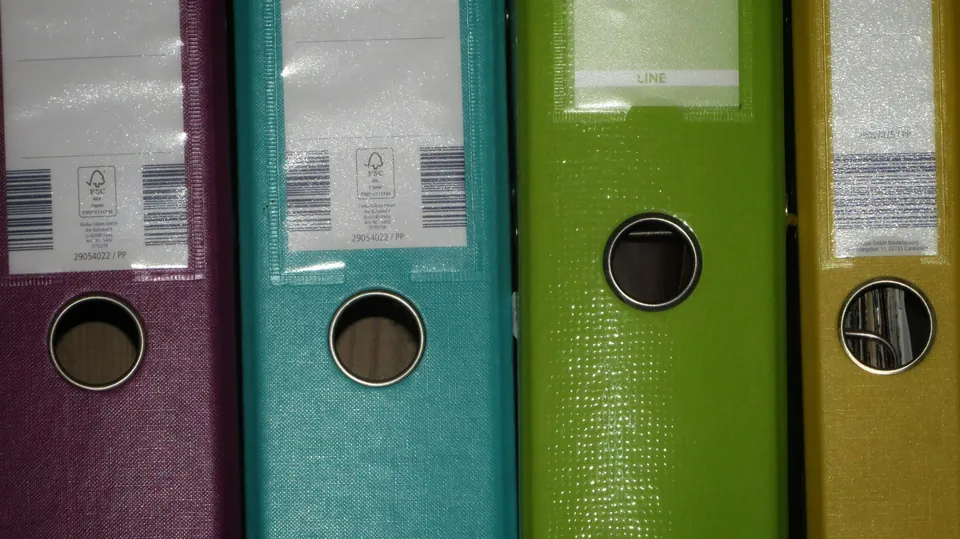
A command center wall handles this week. A binder handles everything you need occasionally and never want to hunt for: the pediatrician’s number, the school’s absence line, the Wi-Fi password for the babysitter, the date the furnace filter was last changed.
The test for whether something belongs in the binder is simple. Would someone in your household need it without warning, and would it be annoying to find? If the answer is yes, it earns a page.
Start with five sections
You can build a useful binder with five tabs. Add more only when a section genuinely overflows.
- Contacts. Family members, trusted neighbors, school and childcare, doctor, dentist, pharmacy, veterinarian, and the utility and insurance numbers you only call when something has gone wrong.
- School and activities. Term dates, activity schedules, uniform or kit notes, and the portal addresses you always forget.
- Home. Where the water shutoff and electrical panel are, appliance model numbers, filter sizes, service contacts and a short maintenance log.
- Caregiver notes. Routines, bedtimes, allergies, approved contacts and house rules, written for someone who does not know your family’s shorthand.
- Emergency. Meeting places, an out-of-area contact and where important documents are kept. Our free family information sheet makes a good first page.
What stays out
Original passports, birth certificates, property papers and similar records belong in secure storage, not in a binder that sits on the kitchen counter. The binder can say where they are. Leave out passwords for banking and email; a password manager or another secure record is a safer home for those.
Make it easy to update
Use page protectors or pencil for anything that changes. A binder full of crossed-out numbers stops being trusted. Put a “last checked” date on the contacts page and review it once a season, or whenever a new school year starts.
Tell people it exists
The binder only helps if others know where it lives and what is inside. Show a partner, an older child or a regular babysitter how it is organized. Some families tape a one-page summary inside a cupboard door with the three numbers people need most.
If a binder isn’t your style
A shared note in a family app or a single printed page can do the same job. What matters is that the information is current, findable in under a minute, and not stored only in one person’s head.
Adapt these ideas to your household. Organization guidance is general information, not medical, safety or financial advice.