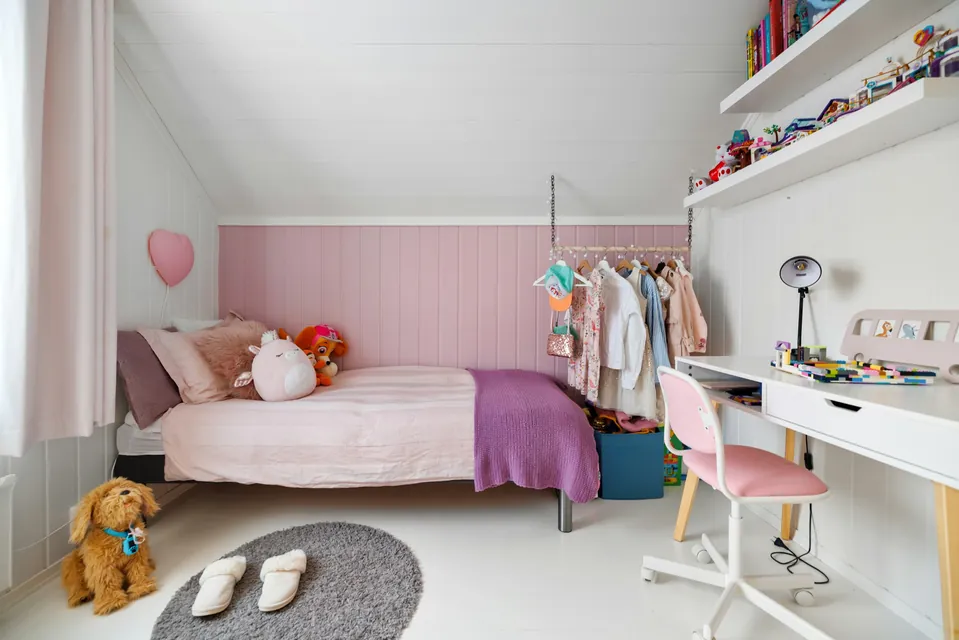
A child’s bedroom does a lot of jobs: sleeping, dressing, playing, reading and storing treasures. When each job has its own small area, children know where things go, and tidying becomes putting back rather than deciding.
1. Sleep
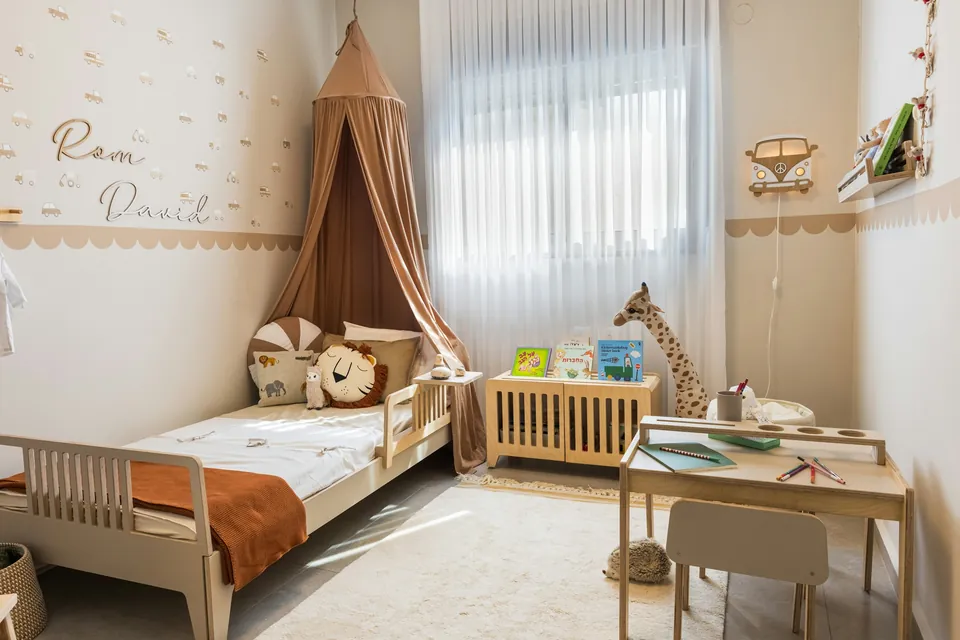
Keep the bed area calm: a lamp, one or two comfort items and a book. Under-bed boxes can hold out-of-season clothes or spare bedding rather than toys, which tend to get pulled out at bedtime.
2. Dress
Put everyday clothes where the child can reach them: low rails, labeled drawers or open baskets for socks and pajamas. Our guide to kids’ closets and dressers goes deeper.
3. Play
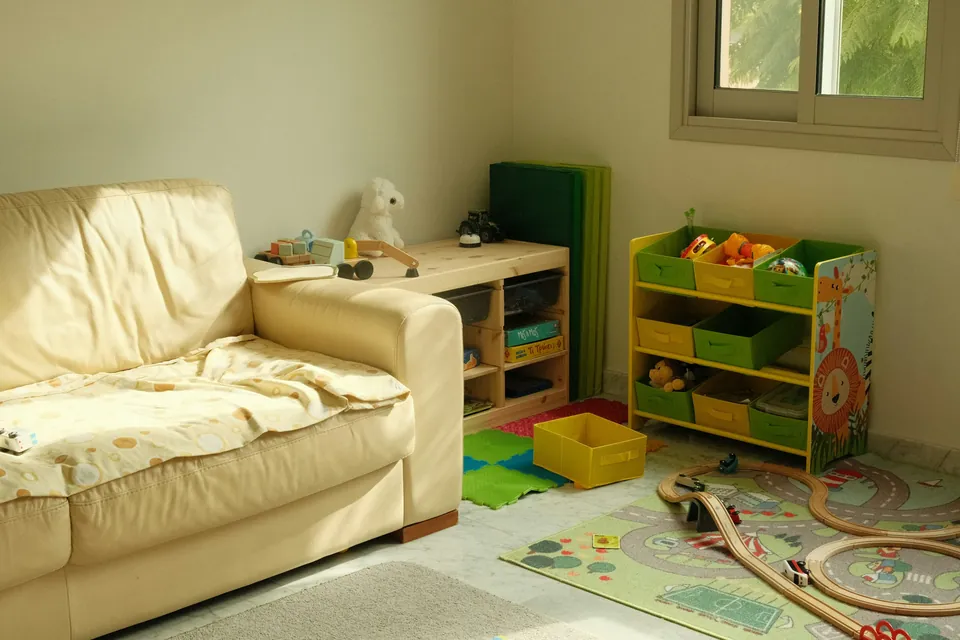
A low shelf with a few open bins works better than a deep toy box. Fewer toys out at once makes clean-up quick; rotate the rest using toy rotation.
4. Read
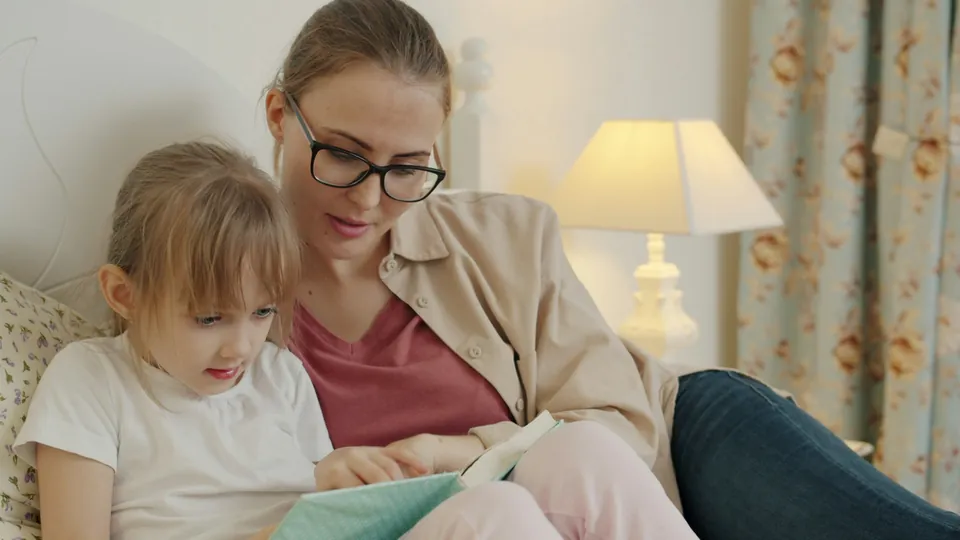
A short shelf with covers facing out, a cushion and good light invite reading. Swap books with the library pile every few weeks.
5. Create
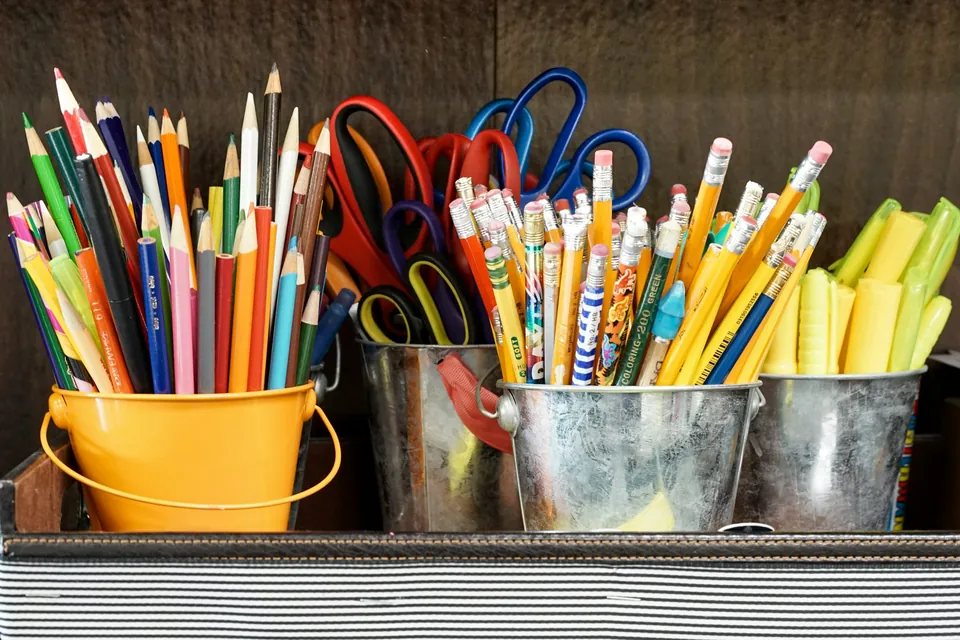
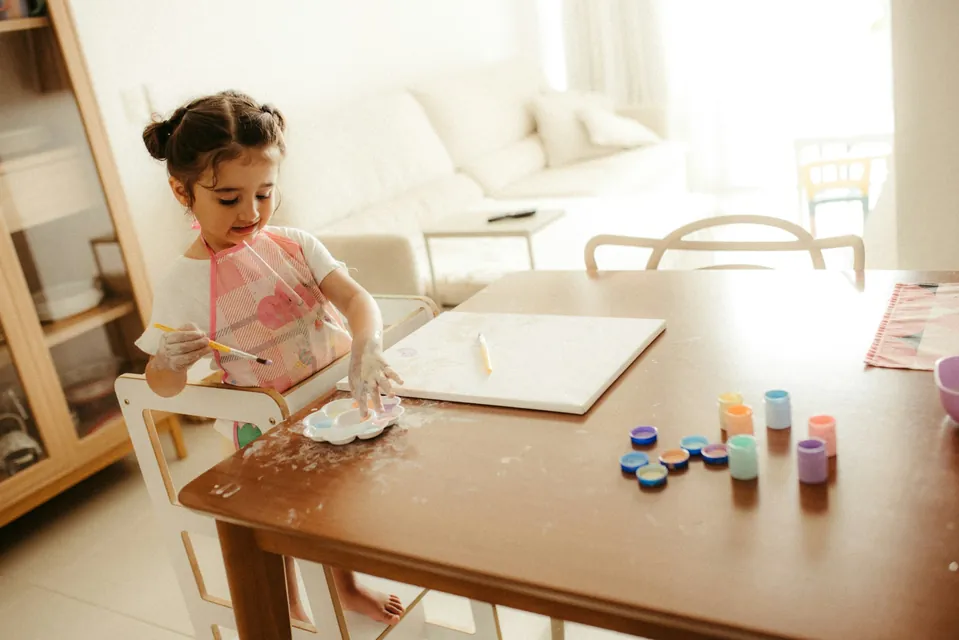
Paper, crayons and a few supplies in a caddy that can travel to the table. See art supply storage.
6. Keep
Children collect things. Give them one box or shelf for treasures and let them decide what goes in. When it is full, they choose what stays. A memory box holds the special pieces long term.
7. Reset
A basket for things that belong elsewhere and a picture checklist by the door make the evening tidy possible. Turn the vague instruction into steps with “clean your room” into steps.
Label for the child, not the adult
Use pictures for non-readers and simple words for older children. A label the child understands is one they can follow.
Adapt these ideas to your household. Organization guidance is general information, not medical, safety or financial advice.