
Most closets are not too small. They are holding too much, in the wrong places, with the wrong things at eye level. You can fix a lot of that without drilling a single hole, buying a closet system or touching the rod, which matters if you rent or simply do not want a weekend project.
Work in this order and the closet usually gets easier at each step.
Empty it and sort what is left
Take everything out, or at least one section at a time if the closet is big. Make four piles: keep and wear, keep for another season, donate, and fix or return. Be honest about the "fix" pile. If a hem or a button has waited a year, give it a date or let it go.
Wipe the shelf and floor while it is empty. It takes two minutes and makes the closet feel new.
Give the closet three zones
- Eye level and arm's reach: what you wear every week. This is the only prime space, so protect it.
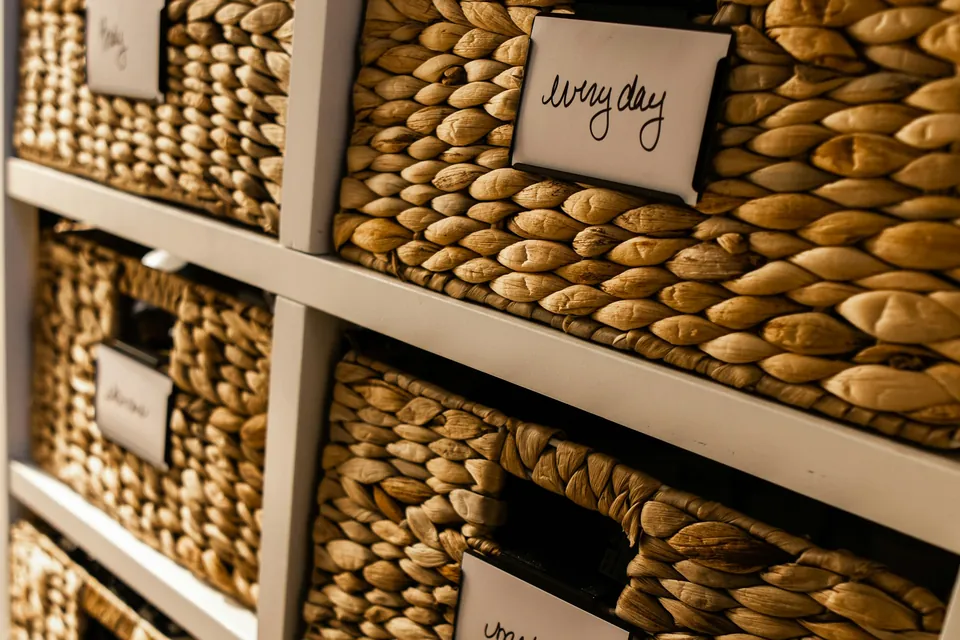
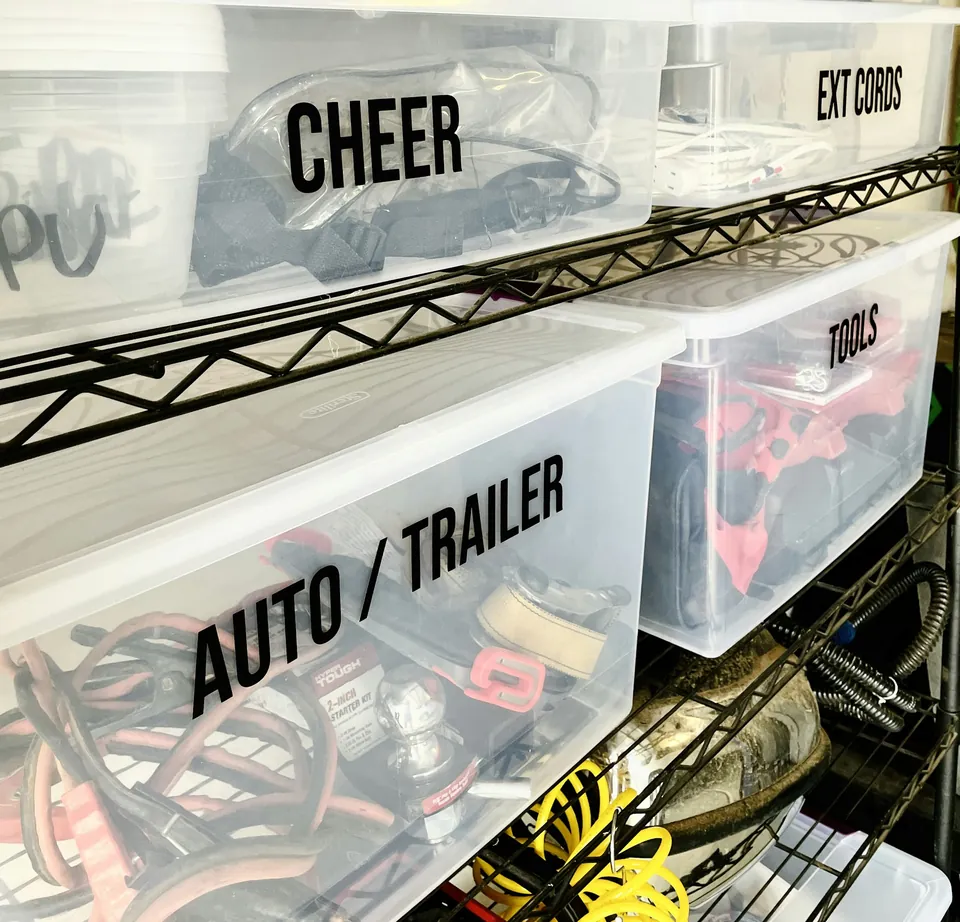
- High shelf: off-season items, spare bedding and bags, in labeled bins. Use a stable step stool and keep heavy things low.
- Floor: shoes, a laundry basket or a bin for things that need a home elsewhere. Keep the floor clear enough to vacuum.
If the closet is shared, give each person a clear section instead of mixing everything, so putting clothes away stays quick.
Add space without tools
- Hanging organizers that hook over the rod give you shelf-like space for sweaters, scarves or bags.
- Stackable bins and baskets turn one deep shelf into several usable ones. Label the front, not the lid.
- Over-the-door hooks and racks hold belts, bags and tomorrow's outfit. Check the door still closes easily and the hook fits its thickness.
- A tension rod can add a second hanging level for short items in the right-size gap. Follow the weight limit on the packaging.
- Matching hangers save more space than you would expect, and clothes hang straighter.
Fold or hang by how you get dressed
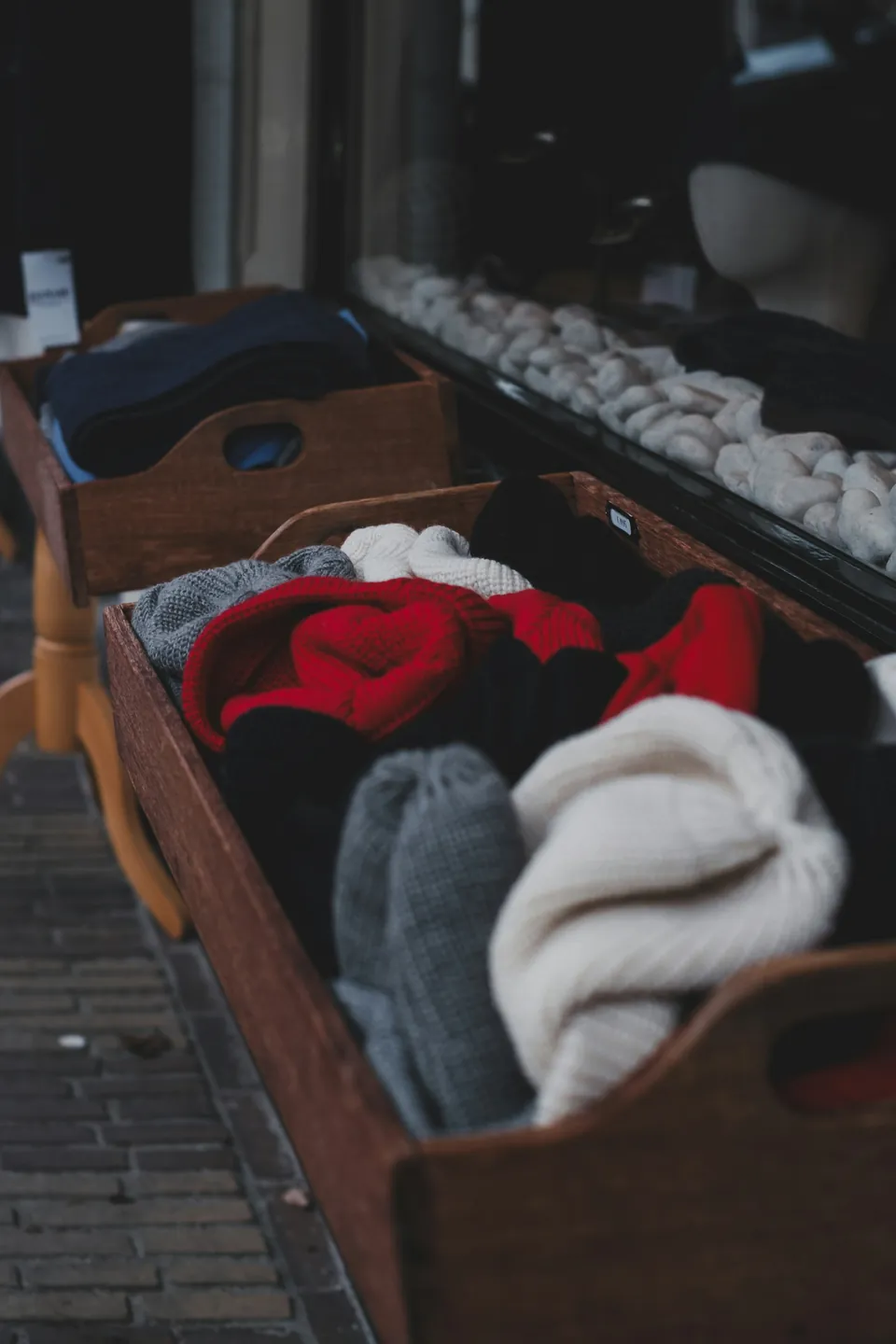
Hang what wrinkles, such as shirts, dresses and work pants. Fold knits, because hanging stretches them. Fold upright, filing-style, in drawers or bins so every item is visible. If you reach for the same few things all week, put those where you can see them and let the rest sit behind.
Keep it from filling up again
Try one-in, one-out for everyday clothes and shoes. Keep a small donation bag at the bottom of the closet so unwanted items leave the day you decide, not months later. For kids' clothes, use a simple outgrown clothes system, and for children's closets see organize a kid's closet and dresser.
When it is time to put away coats and gear for the season, pack away a season so you can find it again. If the whole closet feels like too much, start with one shelf using the declutter challenge and add a section each day. More ideas for every room are in the storage hub.
If a closet has a rod or shelf that is loose, sagging or cracked, ask a professional or your landlord to look at it before you load it further.
Adapt these ideas to your household. Organization guidance is general information, not medical, safety or financial advice.