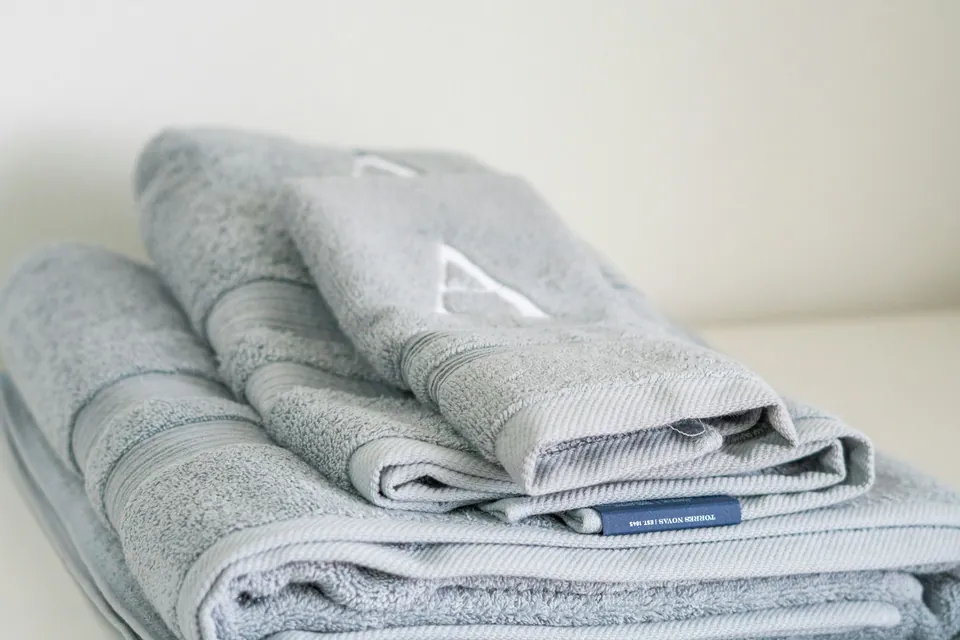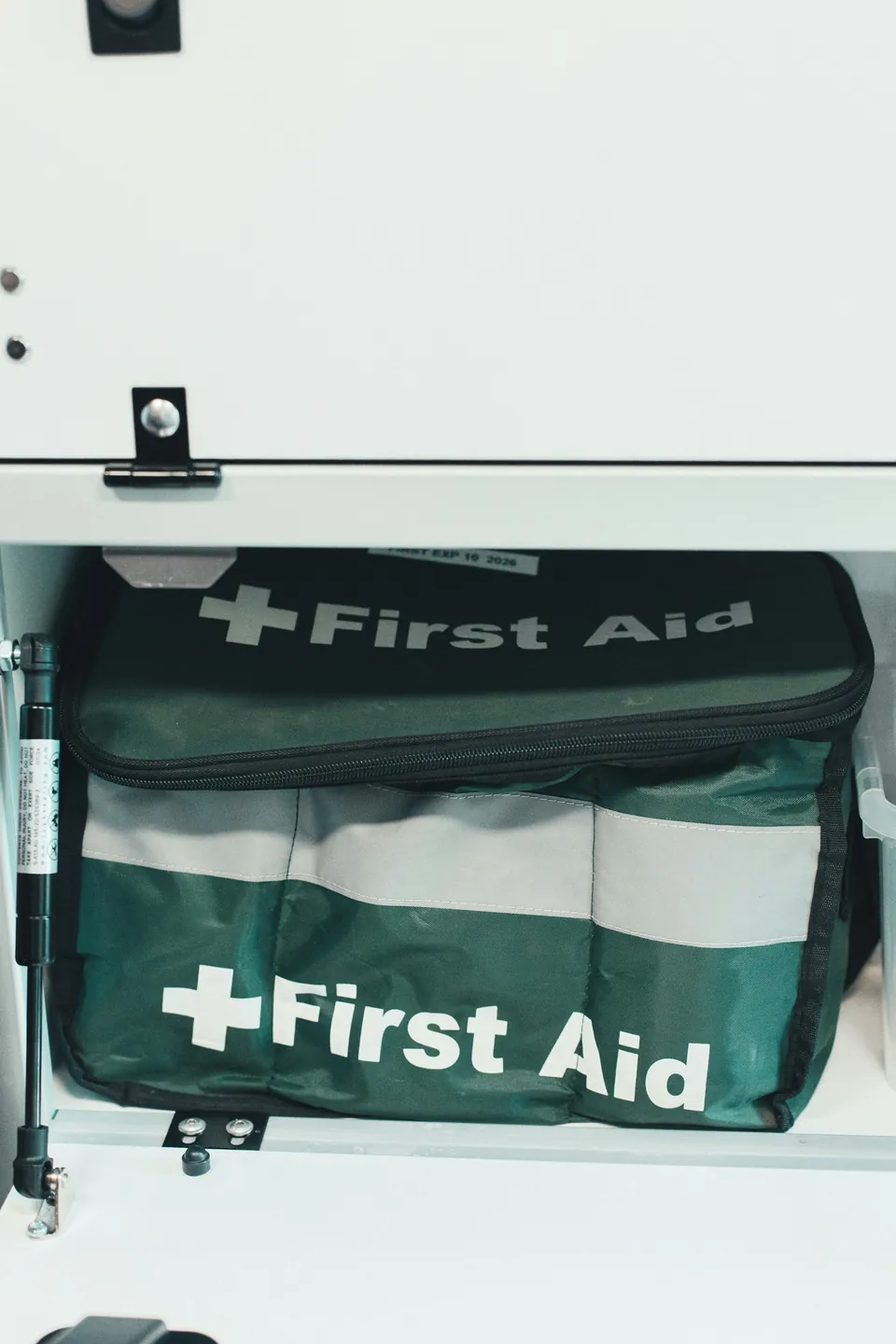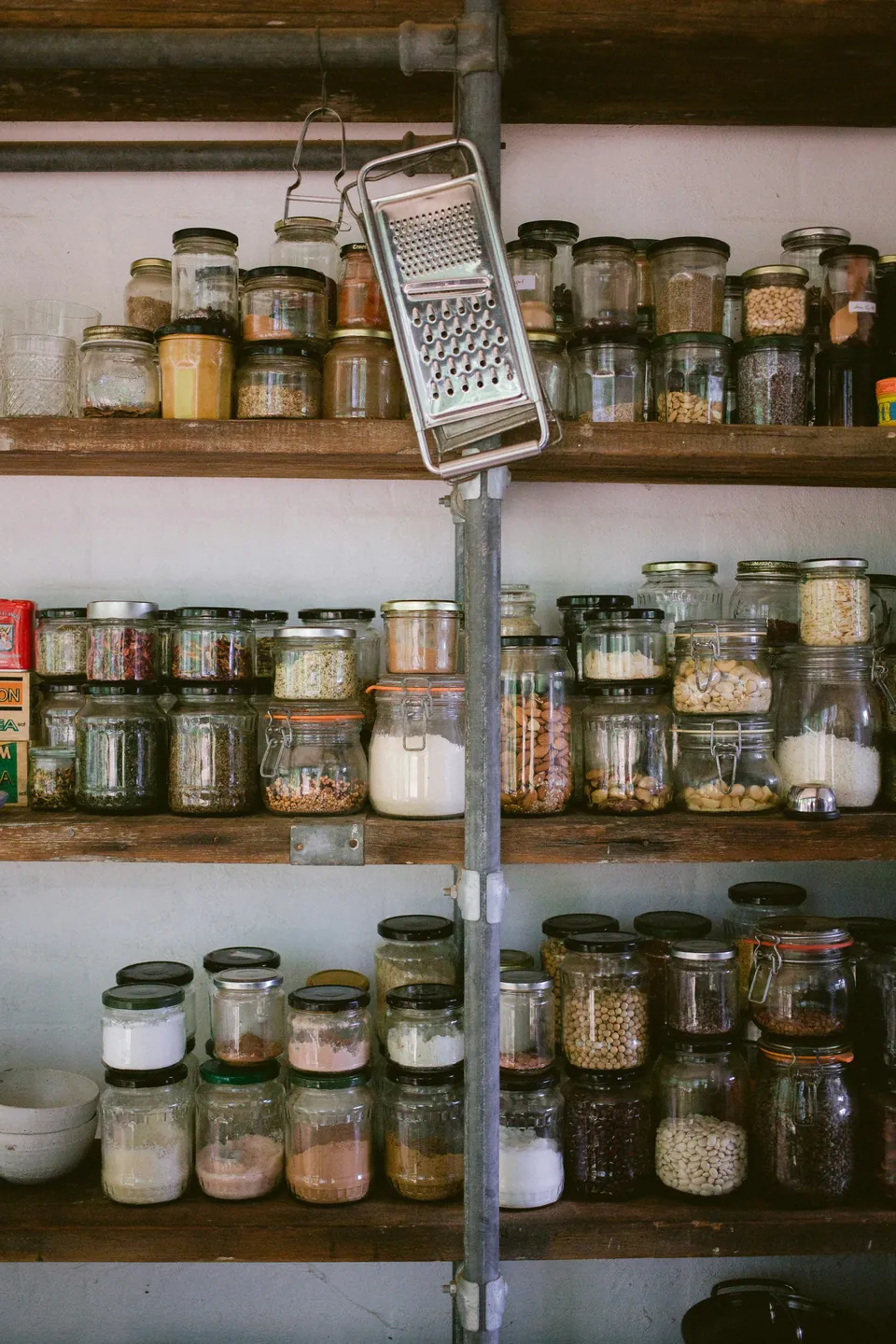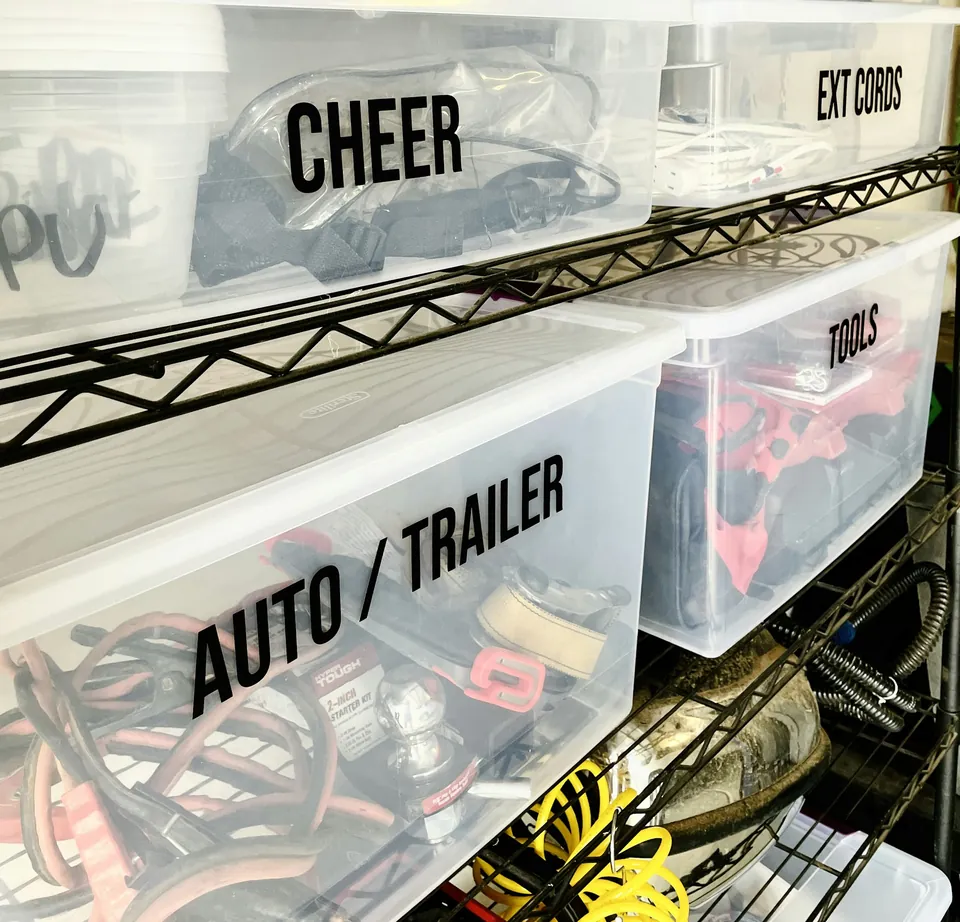
Running out of toilet paper is a small crisis. Finding four open packs of it in different cupboards is a different kind of problem. A refill station gives household backups one home, so you always know what you have.
Pick one place
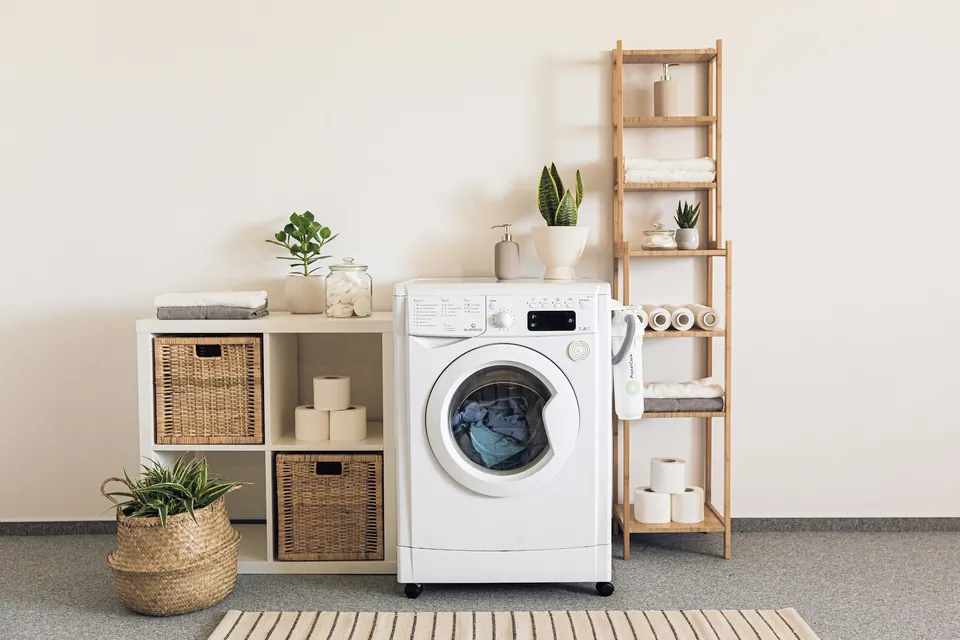
A shelf in a hall closet, the top of a laundry cupboard or a set of baskets in the bathroom can all work. Choose somewhere close to where the items are used and easy to check at a glance.
One basket per category
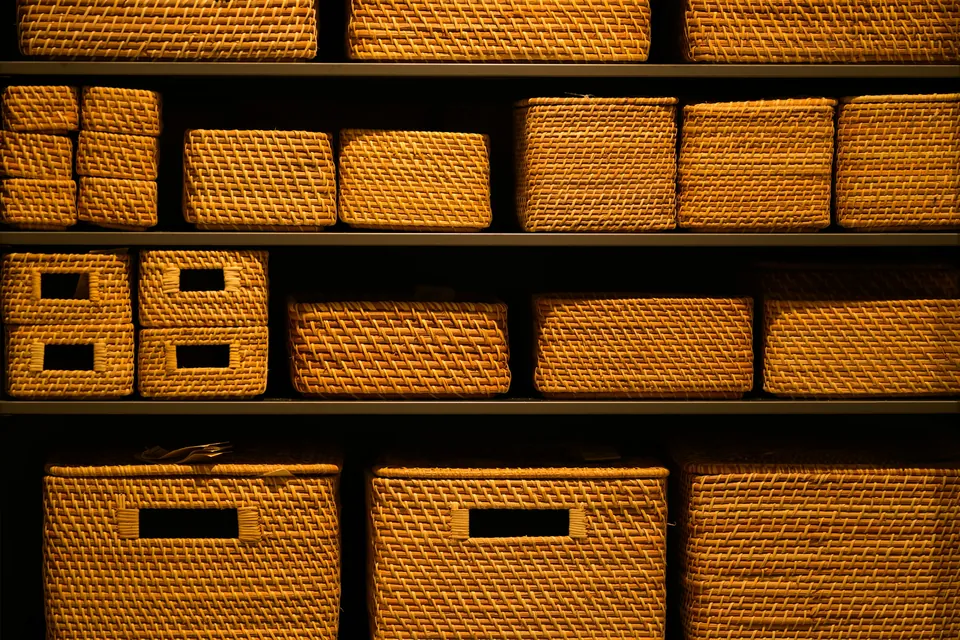
Typical categories are toilet paper, tissues, hand soap refills, toothpaste and toothbrushes, shampoo and body wash, and cleaning refills. Label each basket on the front. A basket that is visibly nearly empty is its own shopping reminder.
Decide how many is enough
Choose a sensible number of each item for your household and your space. Two spare packs of toilet paper may be plenty in an apartment; a larger family may want more. Let the basket size set the limit.
Use a three-bin flow if it helps
Some families like a simple three-step flow: "in use" in the bathroom, "next up" in the refill station and "to buy" on the shopping list. When "next up" moves into use, it goes on the list.
Keep the shopping list nearby
A note on the closet door or a shared list on your phone means the person who takes the last spare can add it straight away. Our last spare rule explains why this handoff matters.
Check it with the weekly reset
A quick glance once a week, as part of your weekly reset, keeps the station accurate and stops duplicates sneaking in.
Adapt these ideas to your household. Organization guidance is general information, not medical, safety or financial advice.