Small repairs, a loose button, a split seam, a fallen hem, are quick when the supplies are together and the clothes waiting for repair have one place to go.
What goes in a basic kit
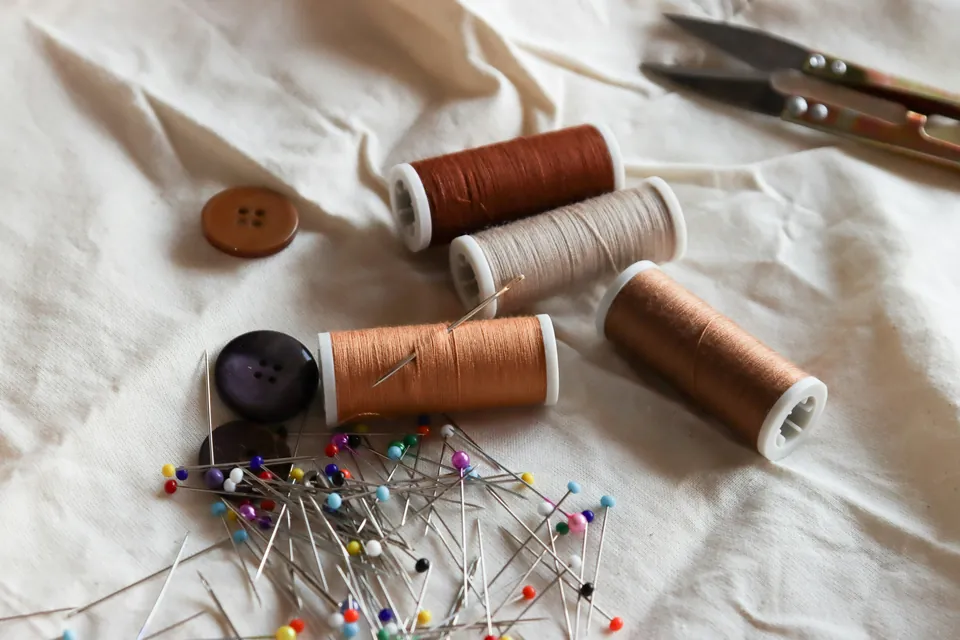
- Needles in a few sizes and a needle threader
- Thread in black, white, navy and gray
- Small sharp scissors and a seam ripper
- Safety pins and straight pins
- Spare buttons in a small jar
- Iron-on patches and hemming tape
- A tape measure
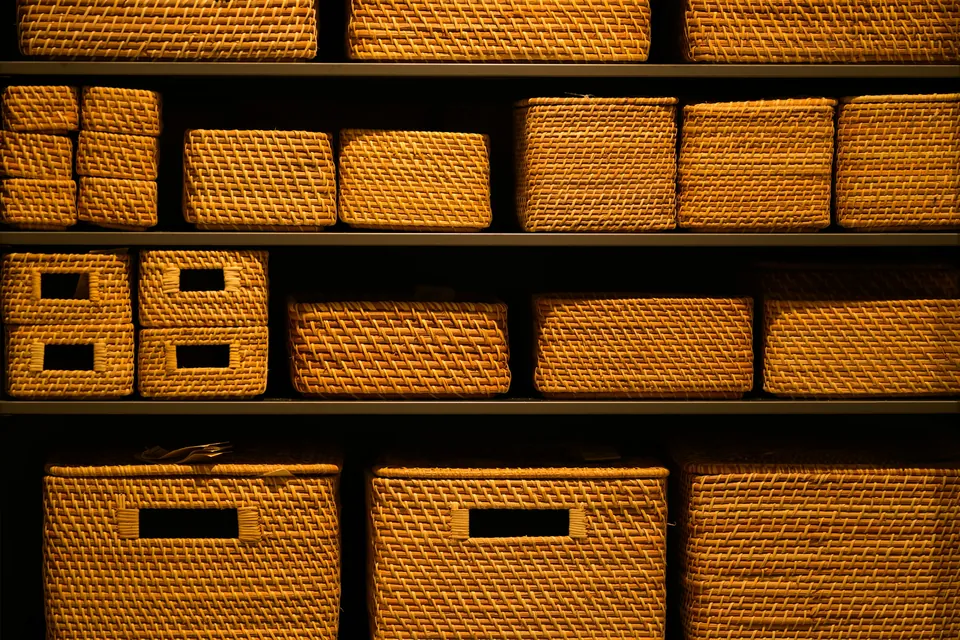
Keep it in one small box with a lid, stored in the utility closet or a drawer.
Add a mending basket
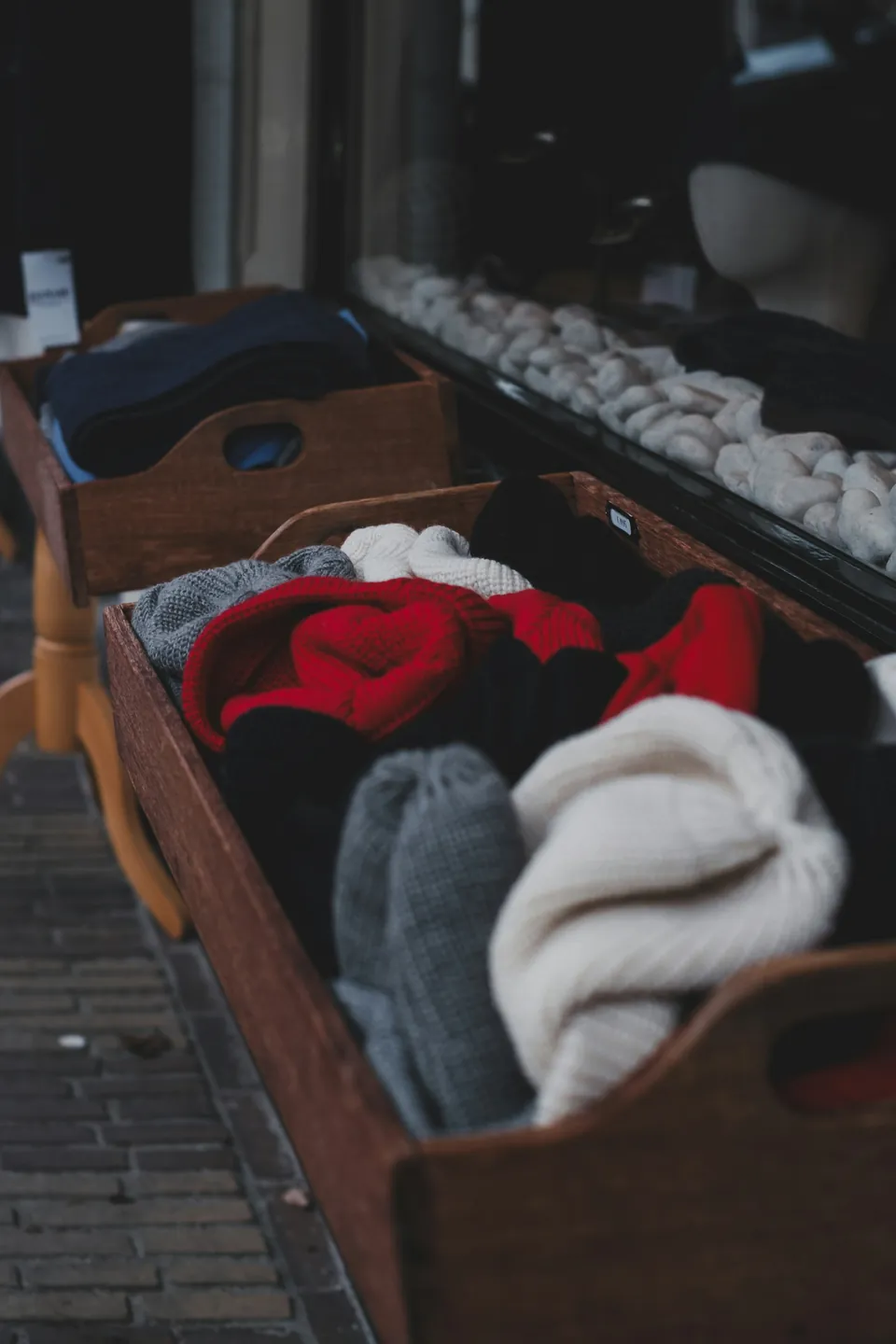
Clothes that need repair go into a basket, not back in the drawer. Choose one evening a month, or a show you watch anyway, to clear it.
Save spare buttons
Spare buttons that come with new clothes go straight into the jar. A small zip bag per garment, labeled, saves hunting later.
Teach the basics
Sewing on a button is a useful skill for older children. It fits well into life skills to teach by age.
Know when to pass it on
If a repair is beyond you, a local tailor or alterations shop can often fix it for less than a replacement.
Keep the kit where it gets used
A kit stored on a high shelf in the loft will not get used. Keep it near where clothes are folded, or in the utility closet at hand height. A small travel version with a needle, a few threads and safety pins fits in a bag for school trips and holidays, and has rescued many a hem on the way to an event.
Adapt these ideas to your household. Organization guidance is general information, not medical, safety or financial advice.