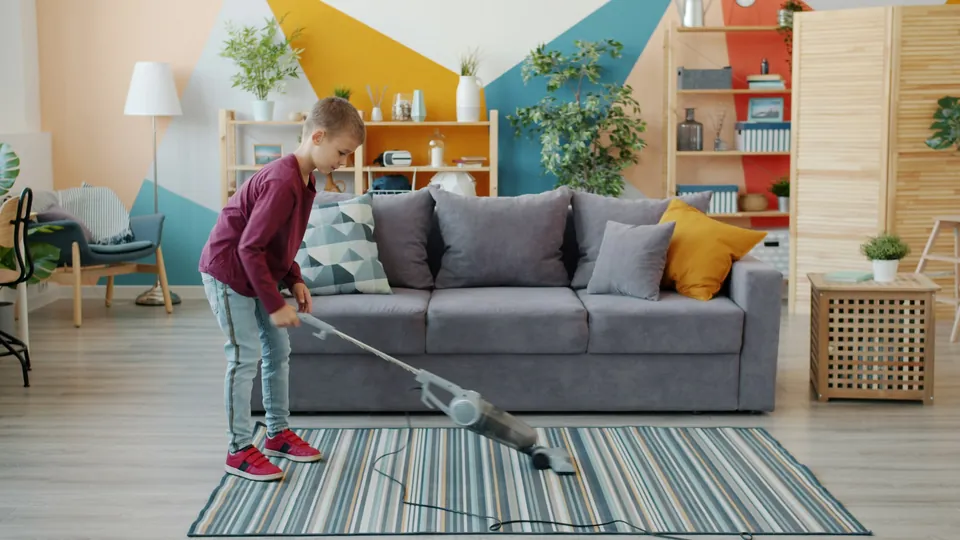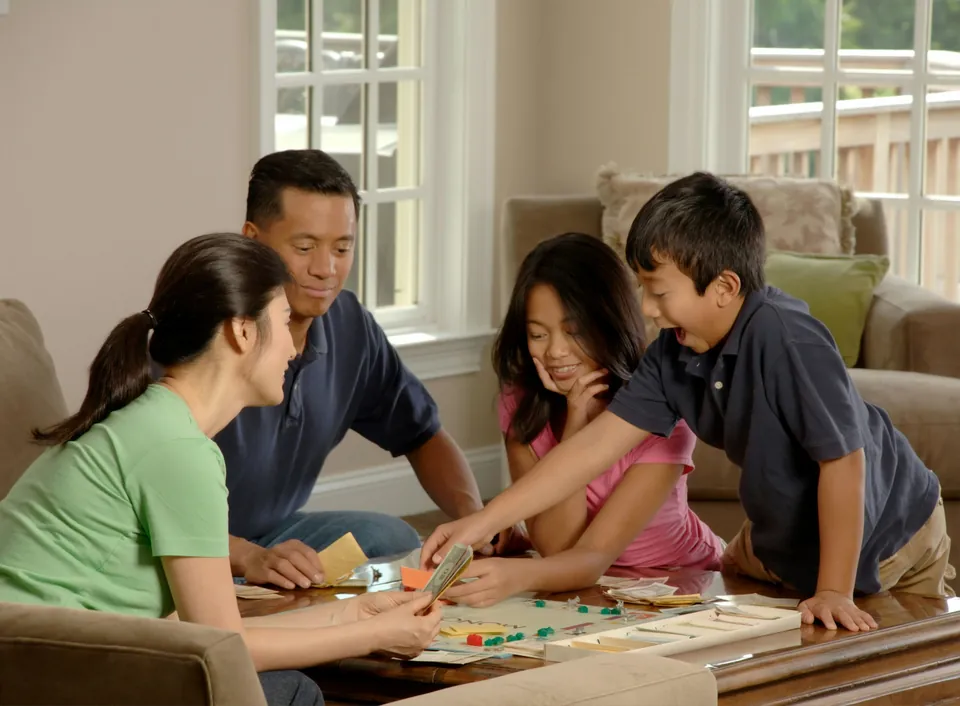
Children's belongings grow faster than they do: clothes they've outgrown, toys from every birthday and books they read once. Clearing it secretly while they're at school can work for a while, but it often backfires. Involving children takes a little longer and teaches them how to decide.
Start with clothes, which are easiest
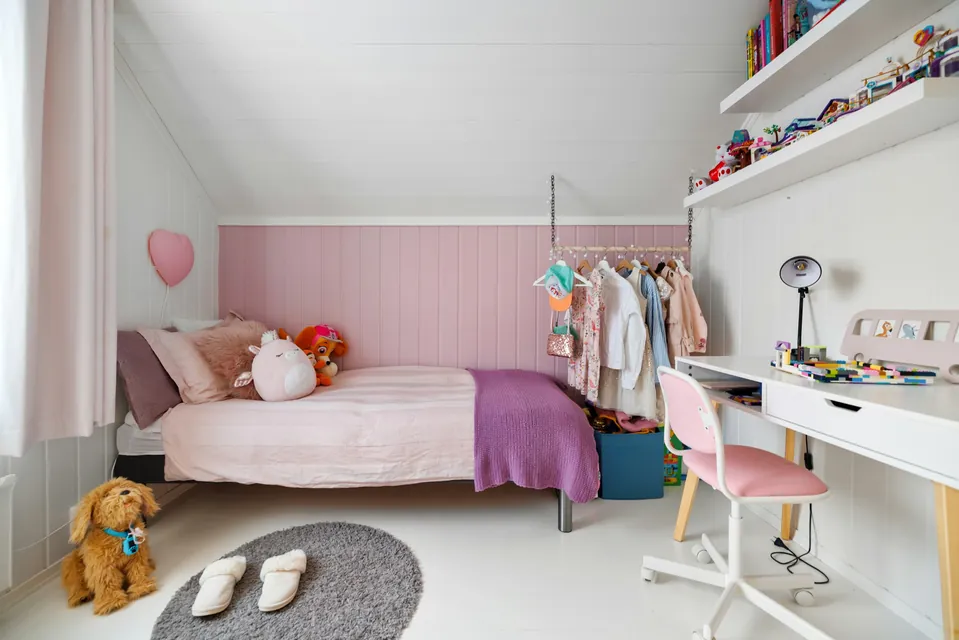
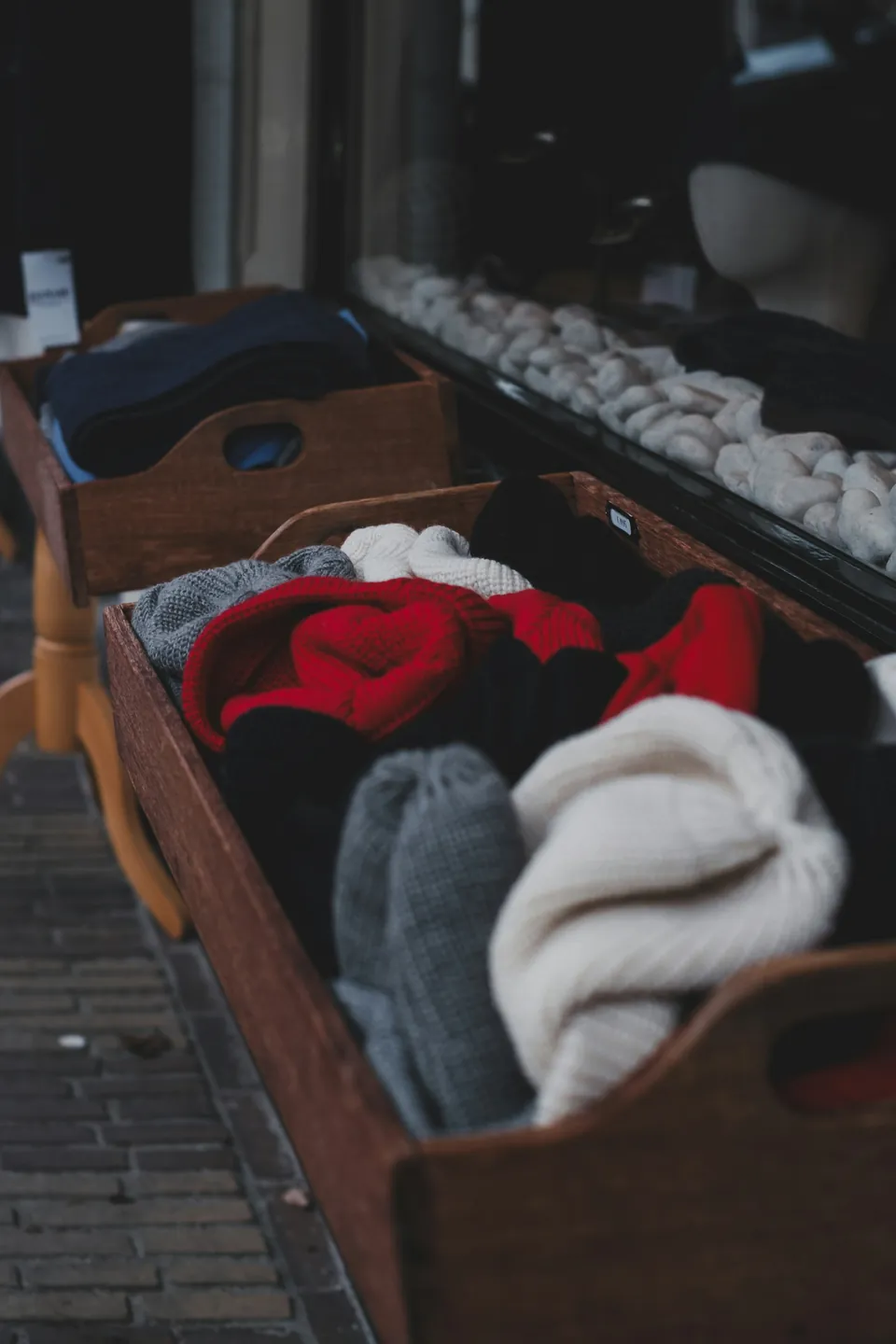
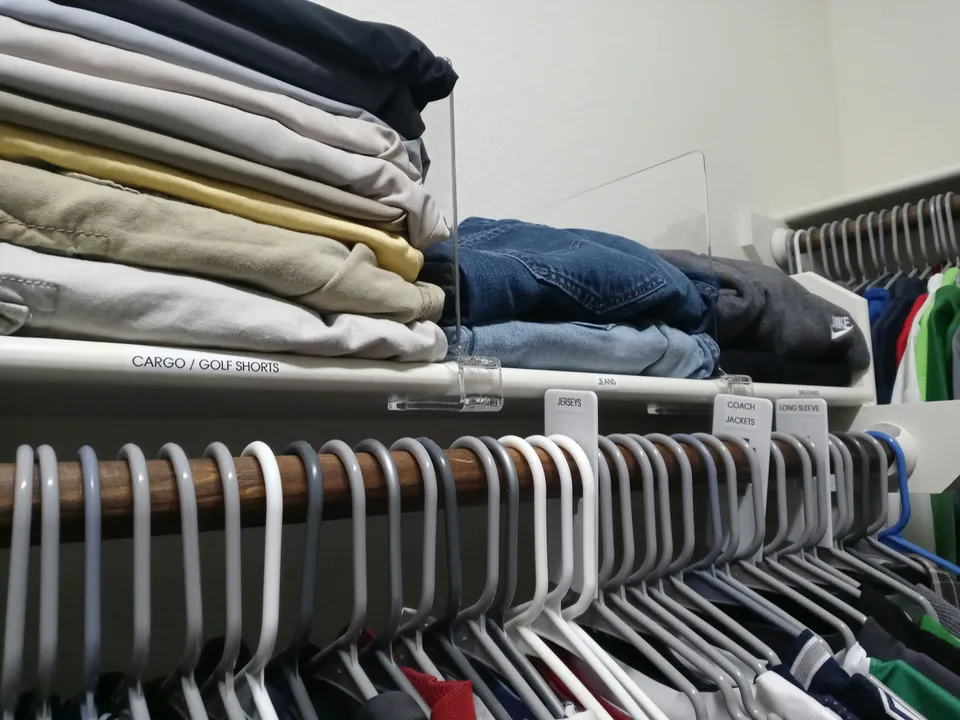
Sort by fit first: what fits now, what's too small and what's too big. Outgrown clothes can be passed on, donated or stored for a younger sibling in a labeled box by size. Of what fits, notice what actually gets worn.
Use simple limits
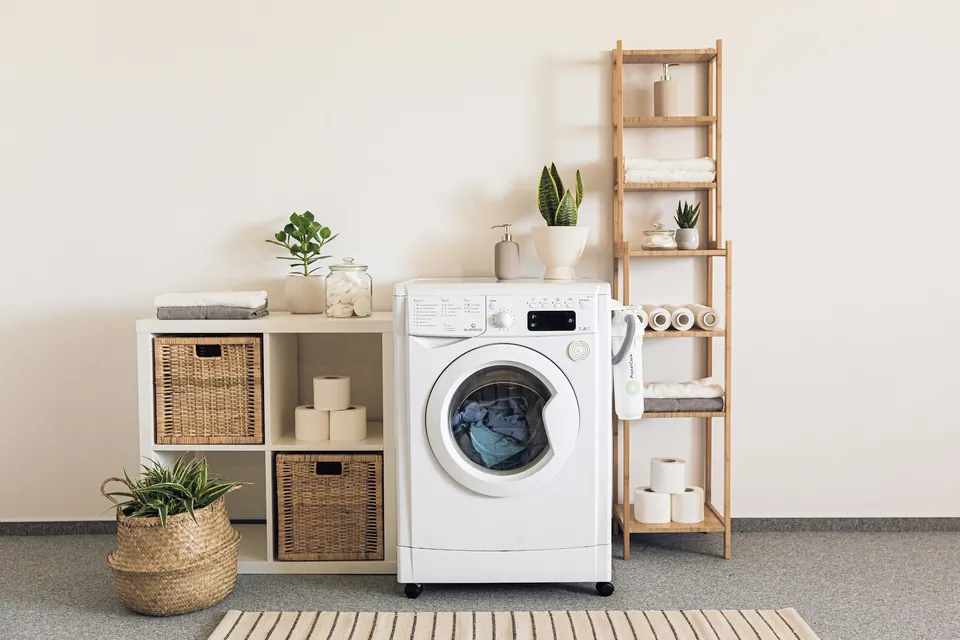
Some families set a number per category, such as a certain number of pajama sets, sweaters or pairs of shoes, based on how often they do laundry. A limit makes the decision clear and stops drawers from overflowing again.
Let children choose favorites
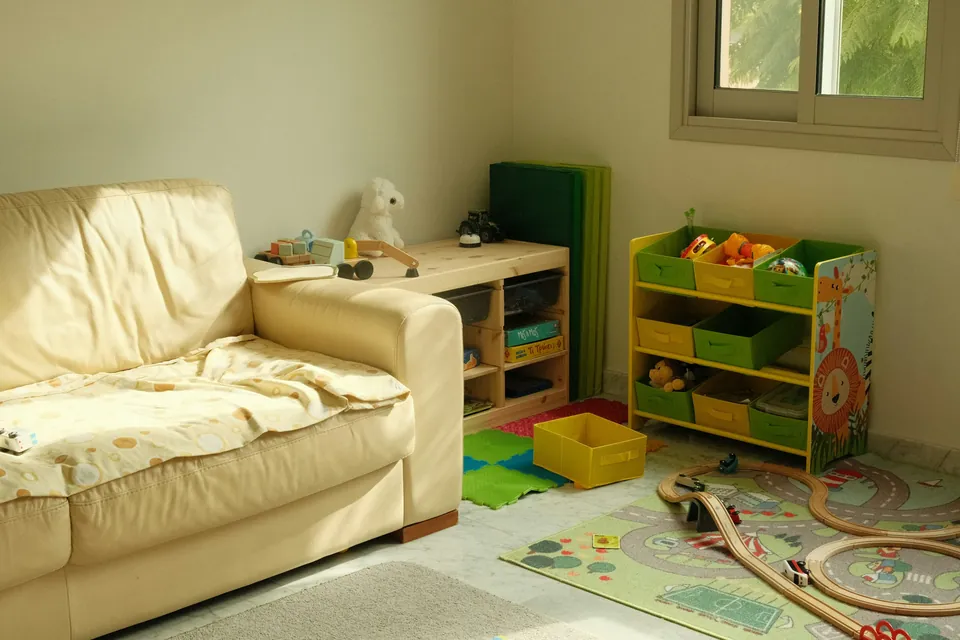
With toys and books, ask your child to pick the ones they love most, rather than asking what they're willing to give away. Choosing what to keep feels very different from choosing what to lose.
Keep a "maybe" box
Anything your child isn't sure about goes into a box out of sight for a few weeks. If nobody asks for it, it can go. If they do, it comes back with no fuss.
Talk about where things go
Many children are happier to let toys go when they know another child will play with them. Donating together, if your child wants to, can make it feel like a generous act.
Keep books generous but tidy
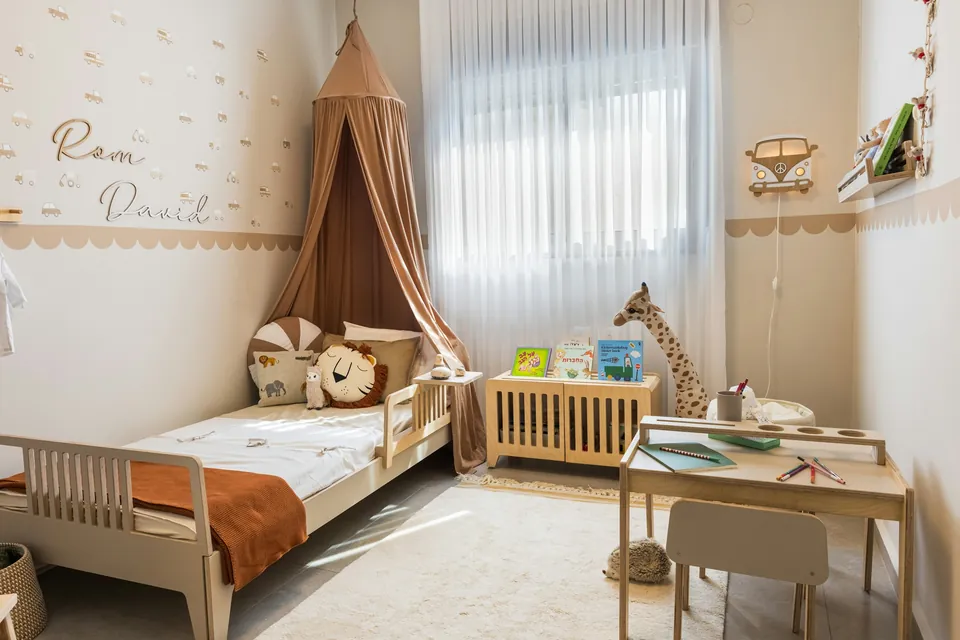
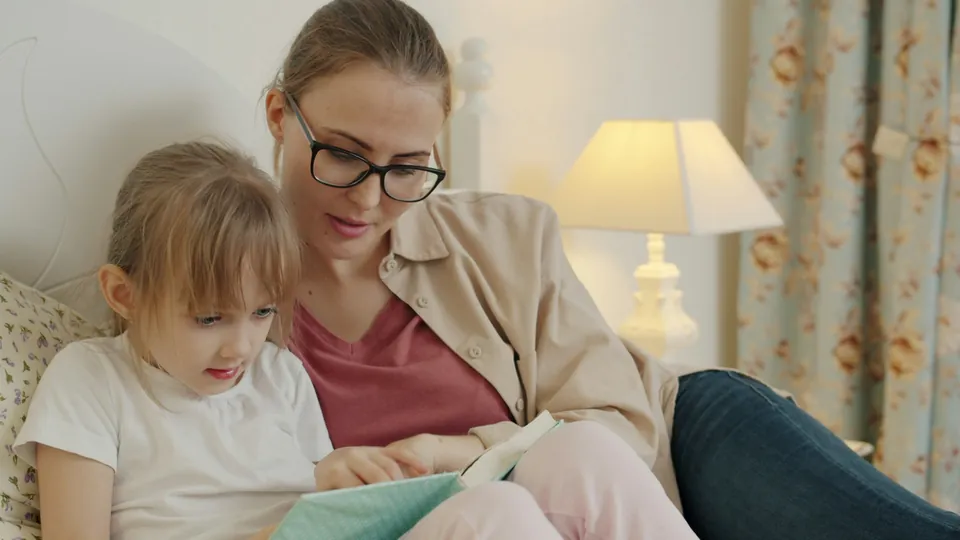
Books are worth keeping in good number. A shelf with books facing forward, or a basket of current favorites, makes reading easier, while older or outgrown books rotate into storage or move on.
Do it a little and often
A short session at each change of season is easier than a once-a-year purge. Our 30-day declutter challenge gives you one small task a day.
Adapt these ideas to your household. Organization guidance is general information, not medical, safety or financial advice.