
Many school mornings go wrong because the plan starts at wake-up and hopes for the best. Working backwards from the time you need to leave turns the morning into a schedule you can actually see.
Start with the door
Write down the time everyone needs to be out of the door. That's the fixed point. Everything else fits in front of it.
Time the real steps
For a few mornings, notice how long each step really takes: getting dressed, breakfast, teeth and hair, shoes and coats, finding the bag. Children often take longer than adults expect, and that's normal. Use the real numbers, not the ideal ones.
Add a buffer
Something always goes missing: a shoe, a library book, a permission slip. Ten minutes of buffer before the door time absorbs the small surprises without anyone shouting.
Move what you can to the night before
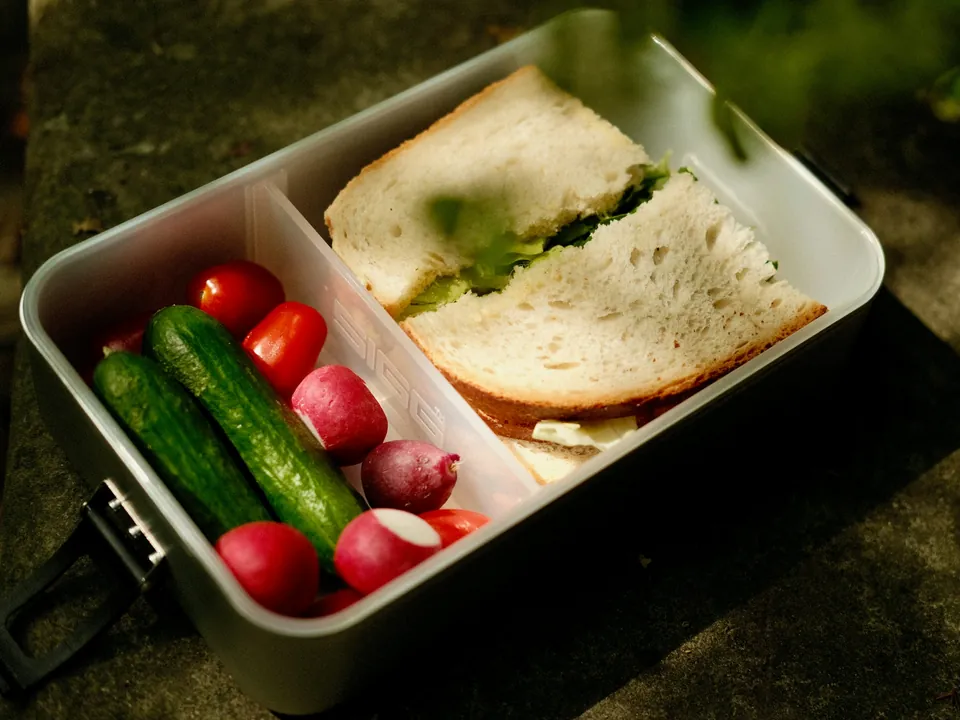
Clothes out, bags packed, lunches prepped and water bottles filled the evening before can save ten to twenty minutes in the morning. Our guide to a smaller evening plan explains how.
Make the schedule visible
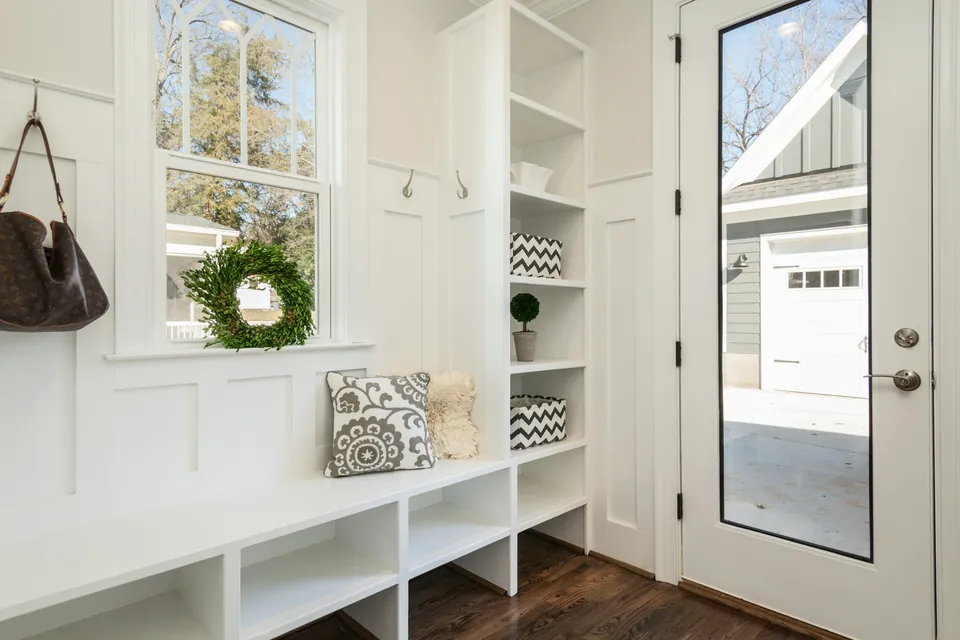
A simple timeline on the fridge or a routine card by the door lets children see what comes next. Some families use a timer for each block. Pointing to the schedule is easier than repeating instructions.
Adjust after a week
If the same step keeps running late, give it more time or move it to the evening. A schedule should fit your family, not the other way around.
Build yours in a minute
Our free school morning planner asks for your leaving time and how long each step takes, then prints a backwards-planned schedule with a buffer built in.
Adapt these ideas to your household. Organization guidance is general information, not medical, safety or financial advice.