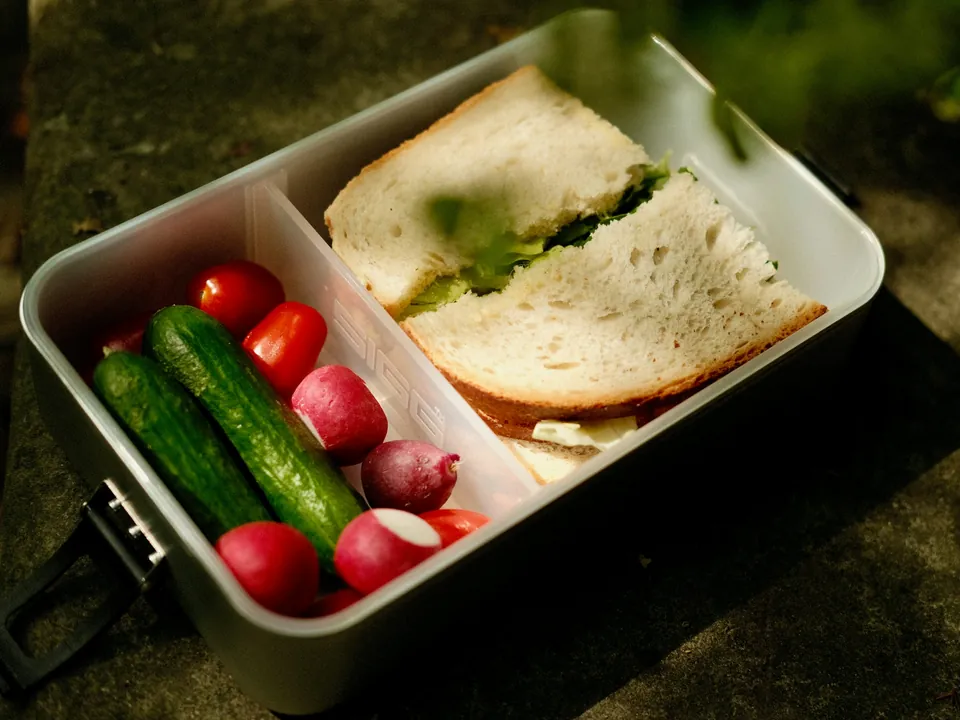
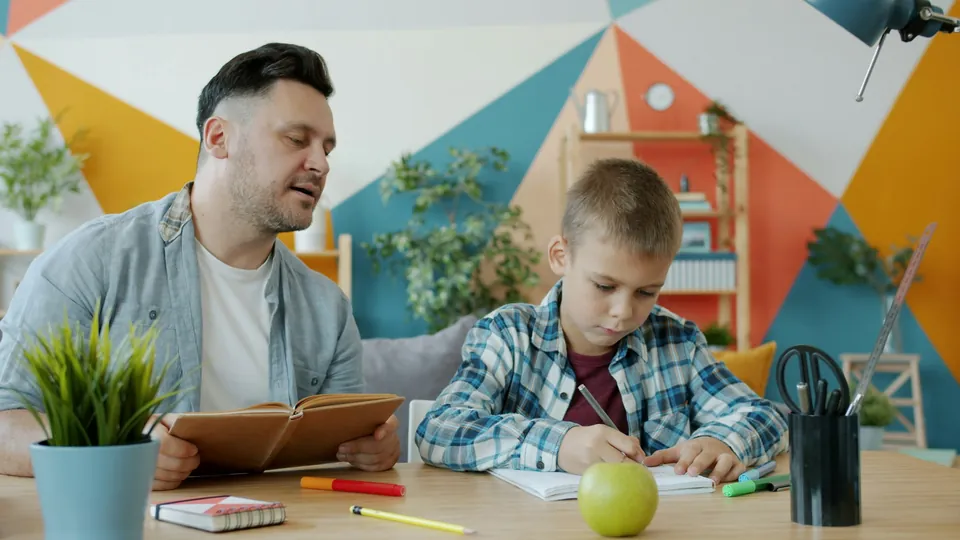
The first hour after school is often the hardest hour of the day. Children arrive hungry, tired and full of the day, and the house needs lunch boxes emptied, papers read and homework started. A predictable order takes some of the negotiation out of it.
Land first, talk later
Start at the door. Shoes in their place, bag on the hook, lunch box to the kitchen, papers to the inbox. It takes two minutes and stops the day’s contents from spreading through the house. If your entryway is a pinch point, our guide to a small-space drop zone can help.
Feed the moment
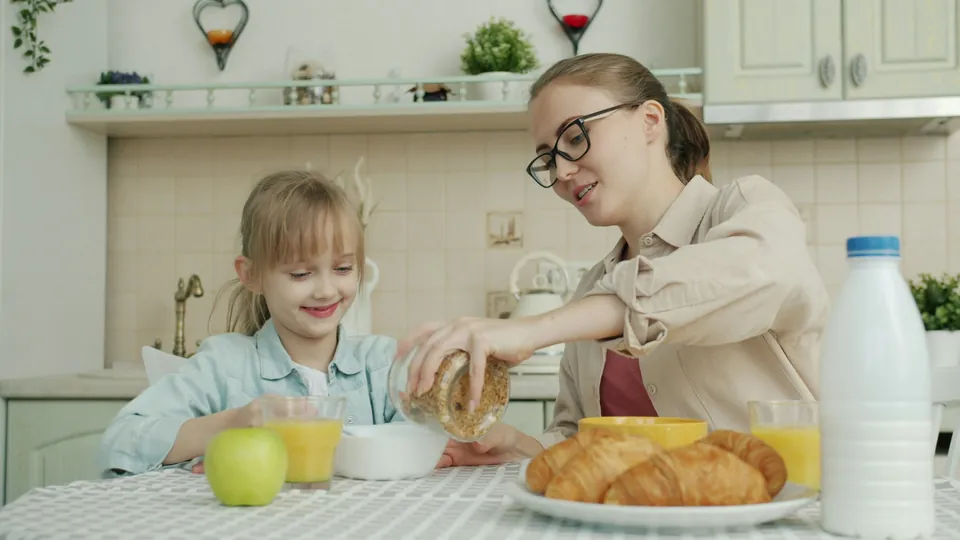
A snack before any demands can change the whole afternoon. Keep a few ready options in a basket children can reach, so the snack does not become another decision for you.
Build in a genuine break
Many children need downtime before they can focus. Agree how long the break is and what it includes. A timer, or a clear endpoint such as “when the snack is finished and one episode is over,” avoids a daily debate.
Give homework a place and a start time
Homework goes more smoothly when it happens in the same place with the tools already there. A small caddy with pencils, an eraser, a ruler and a sharpener saves the first ten minutes of searching. Stay nearby for younger children. Older children may prefer to plan their own order, with a quick check at the end.
Close the loop for tomorrow
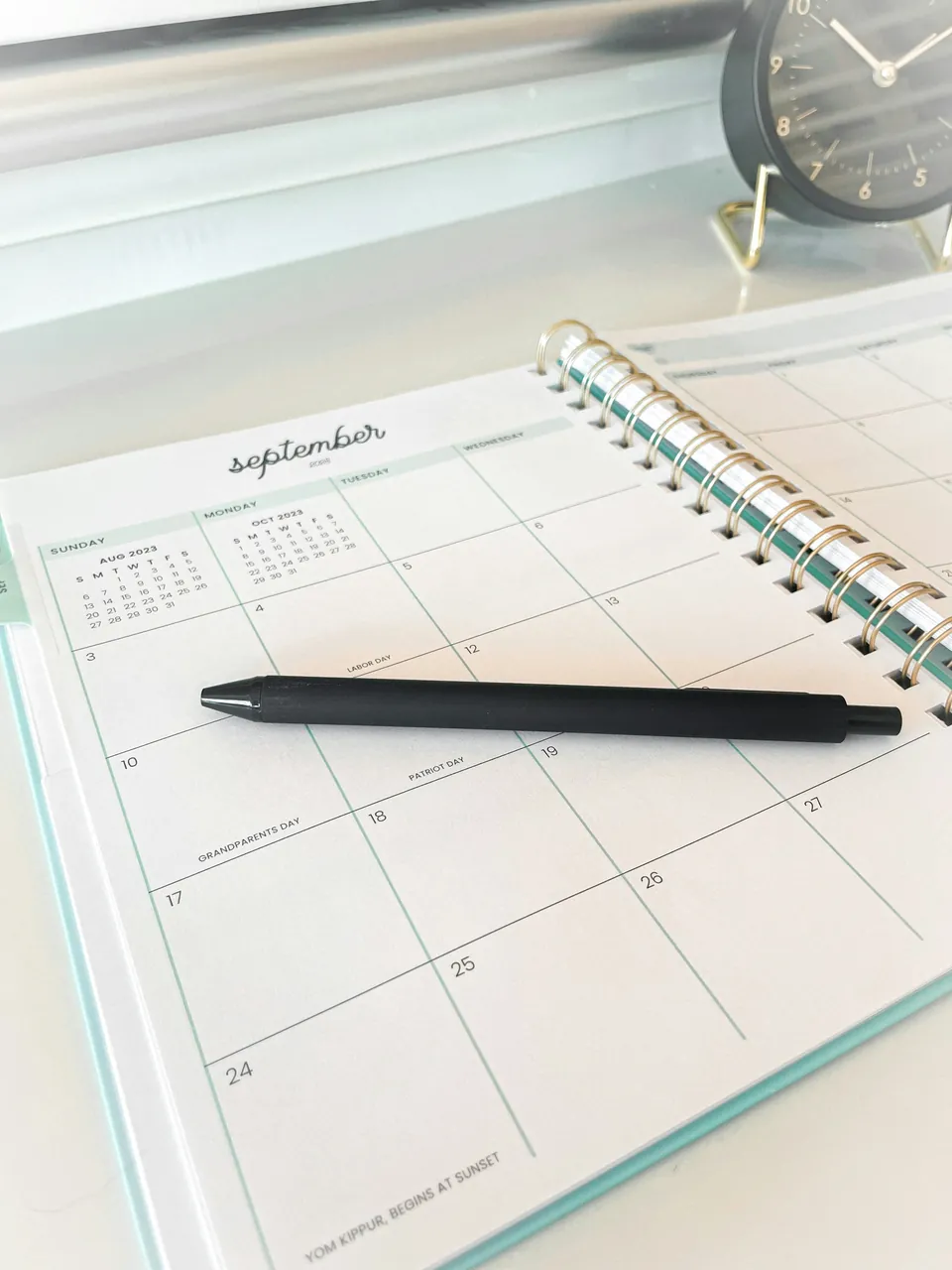
Before the evening gets busy, finish with a short check: homework in the folder, forms signed, bag packed and by the door. It is also a good moment to look at tomorrow’s calendar together.
A sample first hour
- Arrive and unpack at the door
- Snack and a quick chat
- A set break
- Homework or reading in the usual spot
- Tomorrow’s bag check
Adjust the order to suit your family. Some children want to get homework over with right away; others need to move first. The point is not the exact sequence. It is that everyone knows what comes next.
Want to make it visible? Create a free printable after-school routine card.
Adapt these ideas to your household. Organization guidance is general information, not medical, safety or financial advice.