Packing lunches is rarely hard. It is the gathering that takes the time: the lunch bag from the car, a matching lid from the back of the cupboard, the ice pack from somewhere in the freezer. A lunch-packing station puts the gathering in one place.
Choose one zone
Pick a single drawer, shelf or bin near the fridge. It holds lunch bags, a set number of containers with their lids, bottles, cutlery, napkins and ice packs. If it is not used for lunches, it does not belong there.
Keep a set number of containers
Count what you need for a school week, plus one or two spares. Store them with their lids on so a complete set is always ready. Our guide to organizing food containers can help with the rest of the cupboard.
Pre-sort the pantry and fridge
Give shelf-stable lunch items their own basket in the pantry and chilled items a clear bin in the fridge. Follow package storage instructions and any allergy requirements for your children or their school.
Make packing a checklist, not a memory test
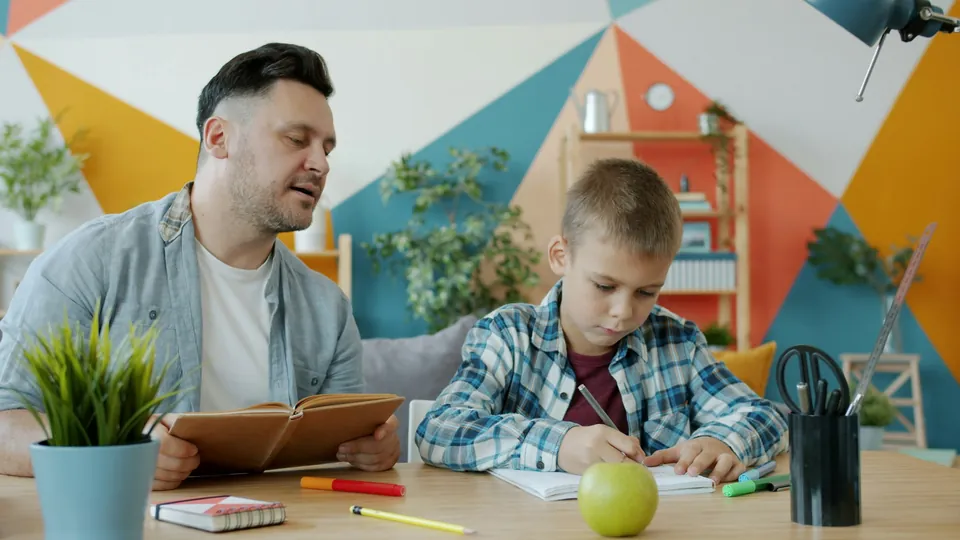
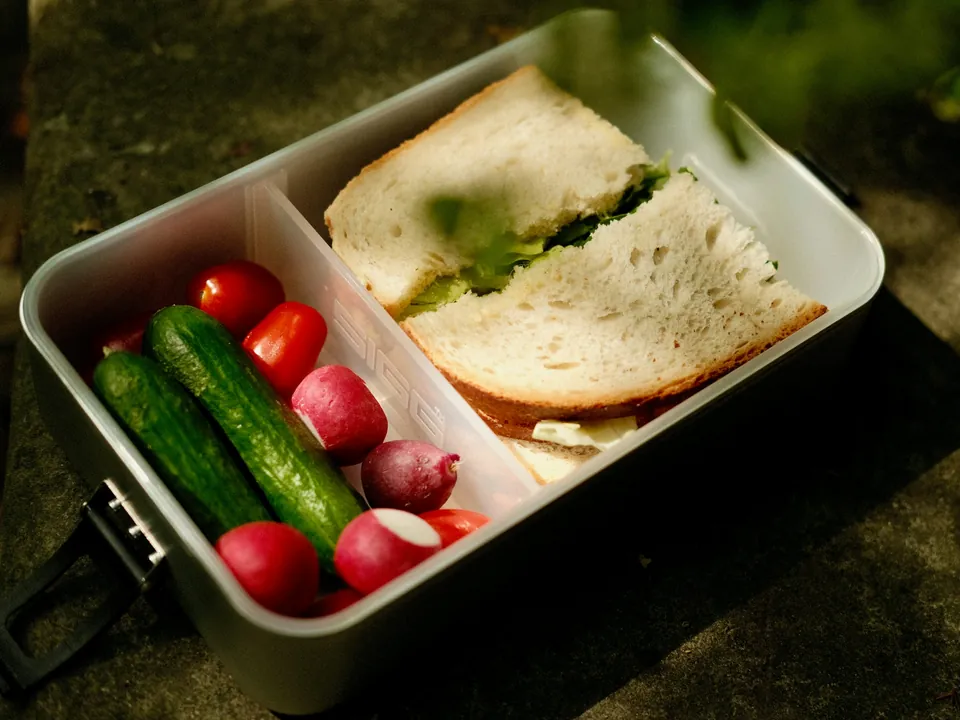
A short list inside the cupboard door helps anyone pack a lunch without thinking it through from scratch: a main, a fruit or vegetable, a snack and a drink. With a little supervision, children can often pack part of their own lunch from the station.
Do what you can the night before
Fill water bottles, set out bags and portion snacks in the evening. The morning job becomes a few minutes of assembly.
Close the loop after school
Lunch boxes get emptied as soon as children get home, not the next morning. Make it part of the after-school routine and the station is ready for tomorrow.
Adapt these ideas to your household. Organization guidance is general information, not medical, safety or financial advice.