When there is not much ground, grow upward. Many vegetables naturally climb or can be trained up a support, which saves space, keeps fruit off the soil and makes picking easier.
Crops that grow well vertically
- Pole beans and runner beans: climb on their own up poles, string or netting.
- Peas: climb with tendrils; netting or twiggy sticks work well.
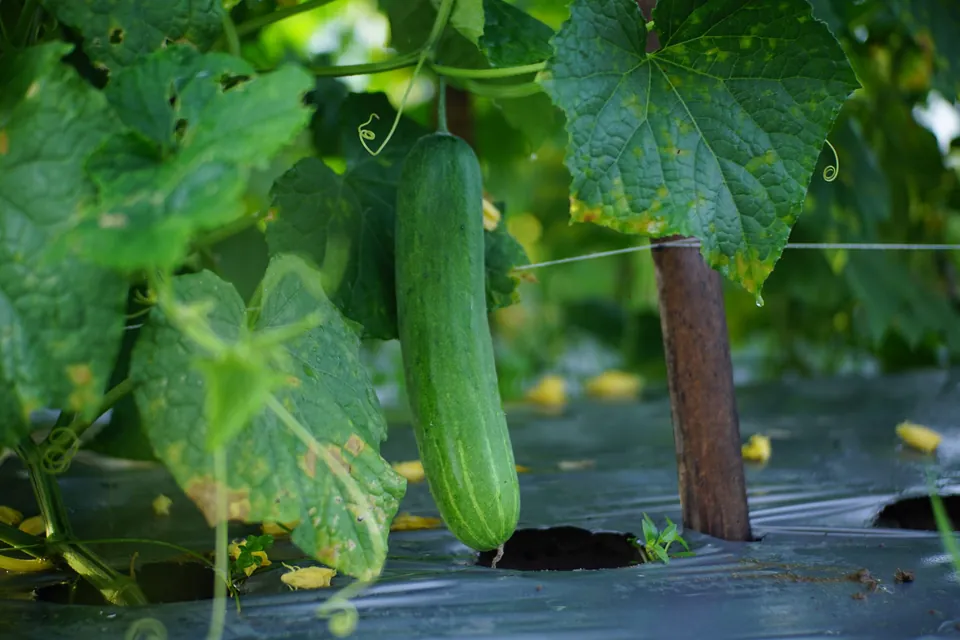
- Cucumbers: climb a trellis with tendrils; see how to grow cucumbers on a trellis.
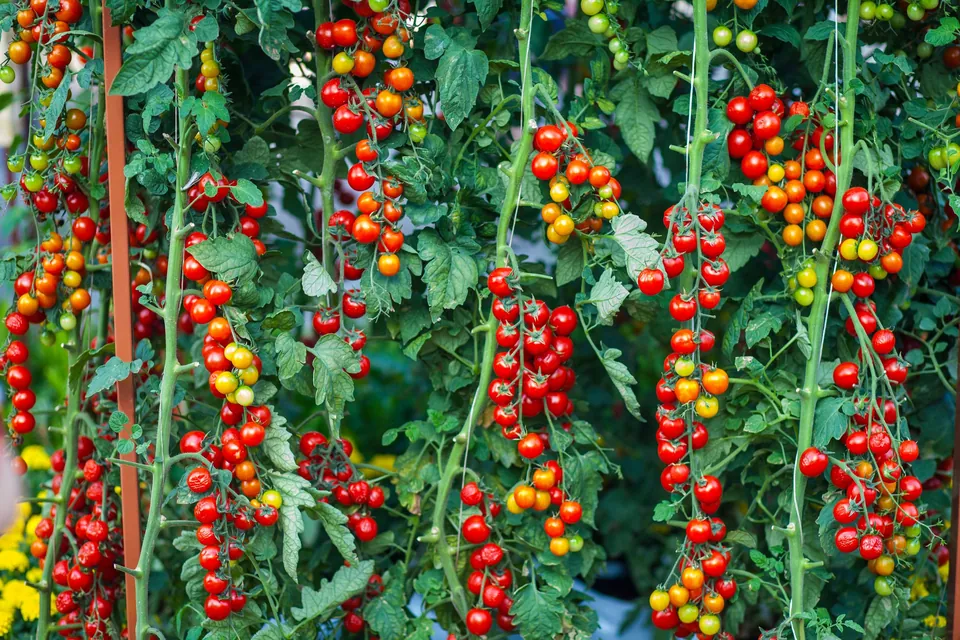
- Indeterminate (vining) tomatoes: need tying to a stake, cage or string as they grow.
- Small squash and small melons: can climb a sturdy trellis, with fruit supported by slings.
Choose the support
Bamboo teepees, a panel trellis against a fence, an arch between two raised beds or a string line from a frame all work. Make supports sturdy and taller than you think; a vine full of fruit is heavy.
Give them sun
Fruiting vegetables like tomatoes, cucumbers and beans generally need a sunny spot, around six to eight hours of direct sun. Put tall supports on the north side of a bed (in the Northern Hemisphere) so they do not shade shorter plants.
Plant leafy crops underneath
The shady space at the base of a trellis suits lettuce, spinach and herbs, which appreciate a little shade in summer.
Water and feed regularly
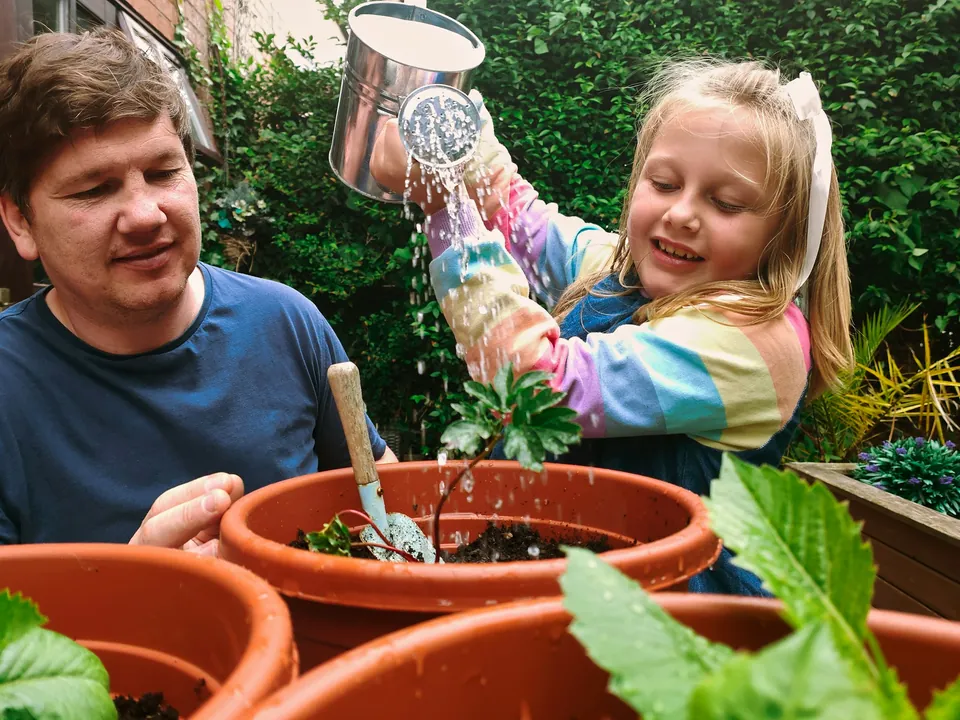
Containers and raised beds dry out quickly in summer. Water deeply, mulch the soil and feed fruiting crops as the seed packet or plant label suggests.
Check local timing
Planting times depend on your local frost dates. Your local extension service or gardening organization publishes a planting calendar for your area.
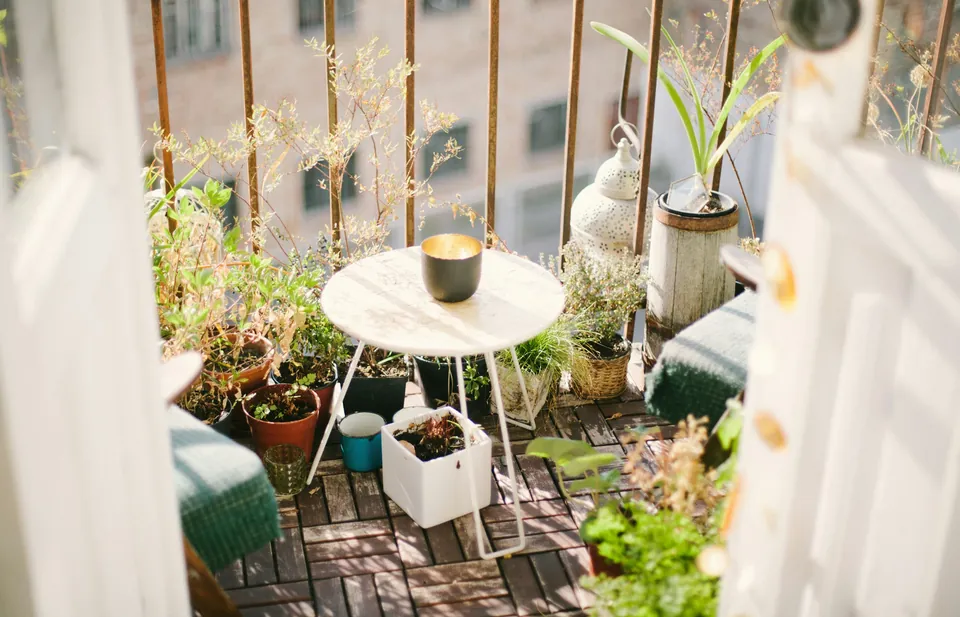
For balconies, see a balcony vegetable garden.
Adapt these ideas to your household. Organization guidance is general information, not medical, safety or financial advice.