A family medicine cabinet fills up with half-used boxes, expired bottles and things nobody remembers buying. Sorting it twice a year makes it safer and easier to use when someone is unwell.
This guide is about organization. For questions about any medicine, ask a pharmacist or your doctor.
Take everything out
Sort on a table, out of children’s reach. Group what you find: pain and fever, allergy, cold and cough, stomach, first aid, prescriptions and children’s medicines.
Check dates and labels
Set aside anything past its expiry date, without a label or in a damaged container. Keep every medicine in its original packaging with its instructions.
Dispose of old medicine safely
The FDA recommends using a drug take-back location or program when you can; many pharmacies have drop-off kiosks. If none is available, the FDA explains how to dispose of most medicines in household rubbish, and it keeps a short list of medicines that should be flushed. Do not tip other medicines down the sink.
Store it up, away and out of sight
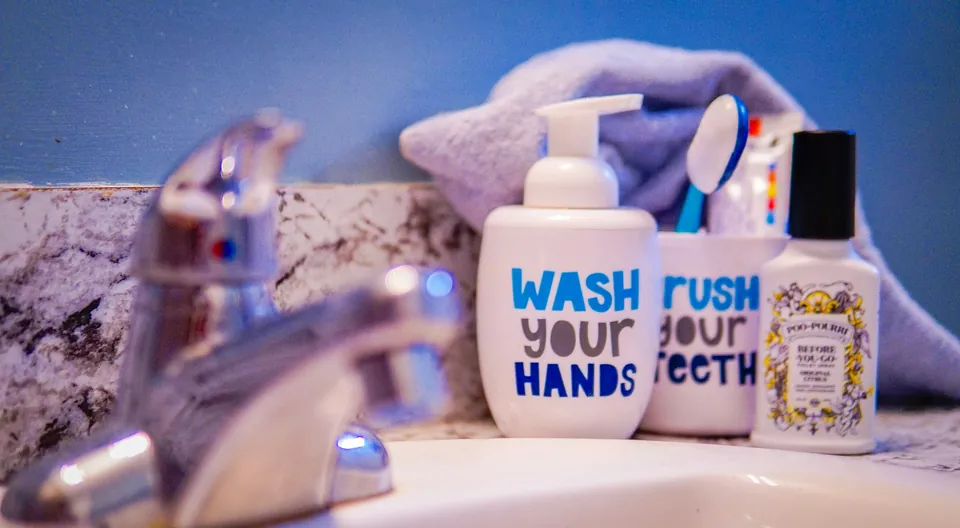
Up and Away recommends storing medicines out of children’s reach and sight, ideally in a locked cabinet, and putting them away after every use. A warm, steamy bathroom is often not the best place; a high cupboard elsewhere can be better.
Organize by person and purpose
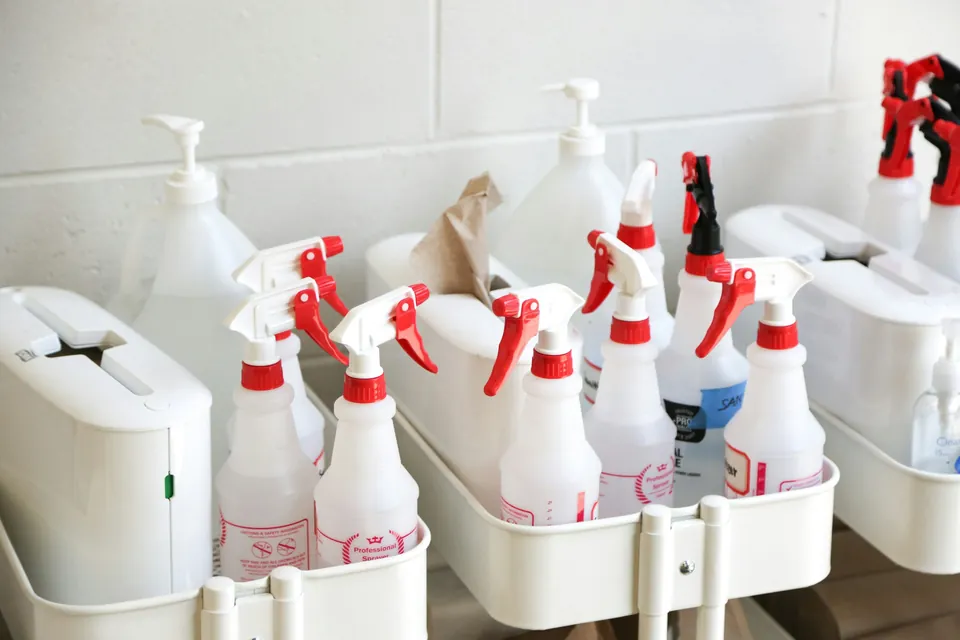
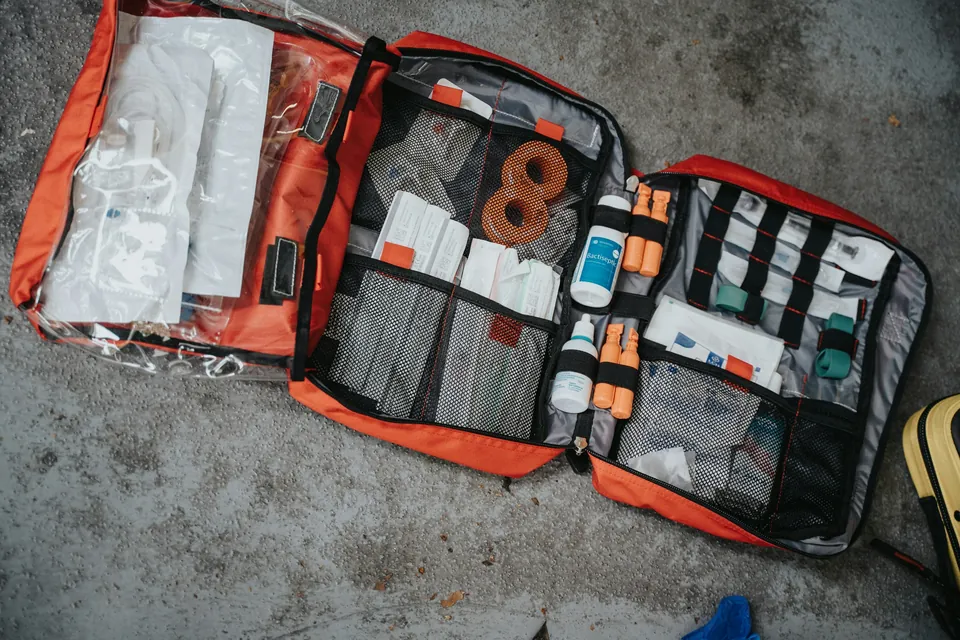
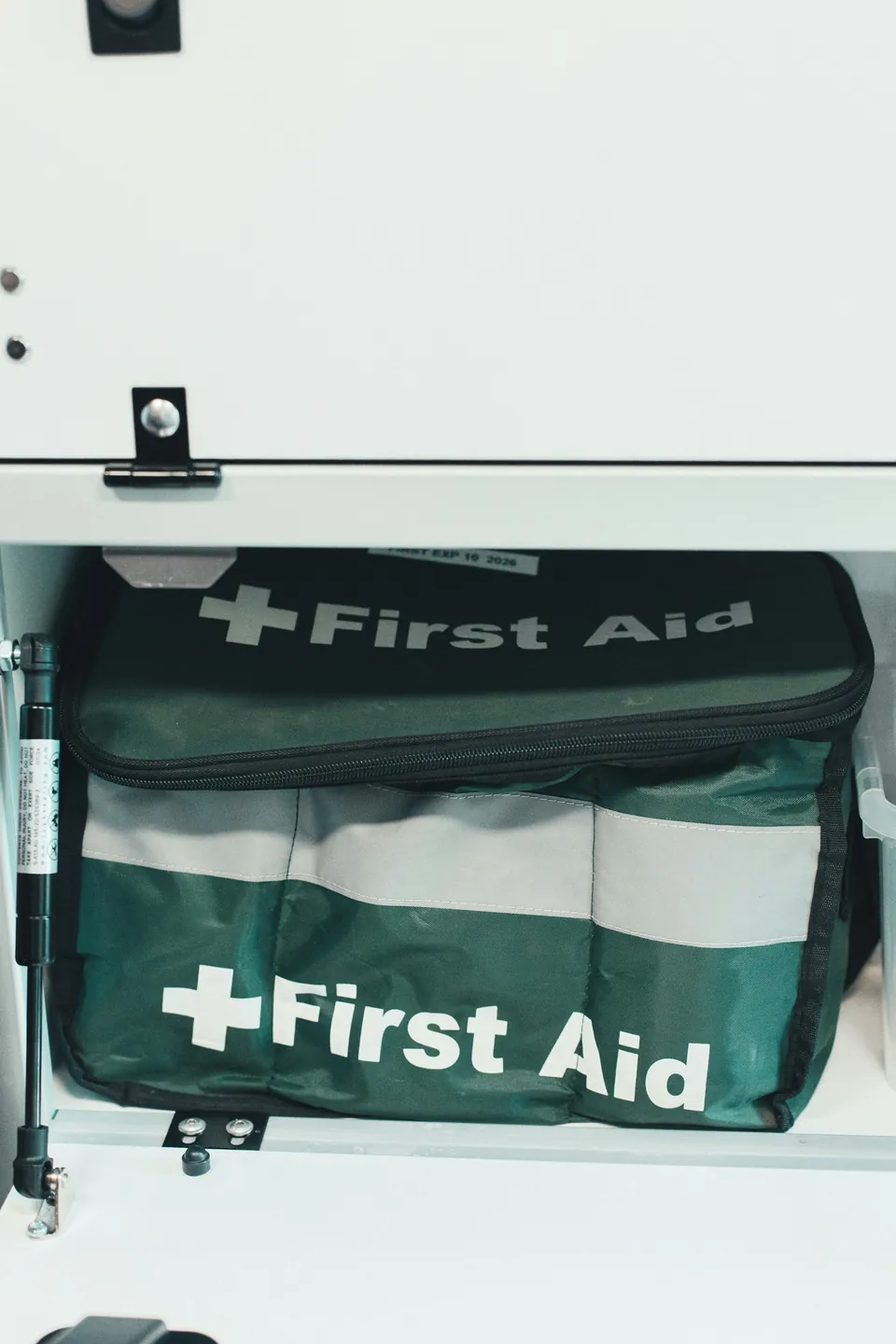
Use labeled bins: children’s medicines, adult medicines, first aid and prescriptions. Keep children’s medicines with their own measuring devices.
Keep a simple record
List what you keep and when it expires on a sheet inside the cupboard door. Add pharmacy and doctor numbers to the family information sheet.
Sources & further reading
Adapt these ideas to your household. Organization guidance is general information, not medical, safety or financial advice.