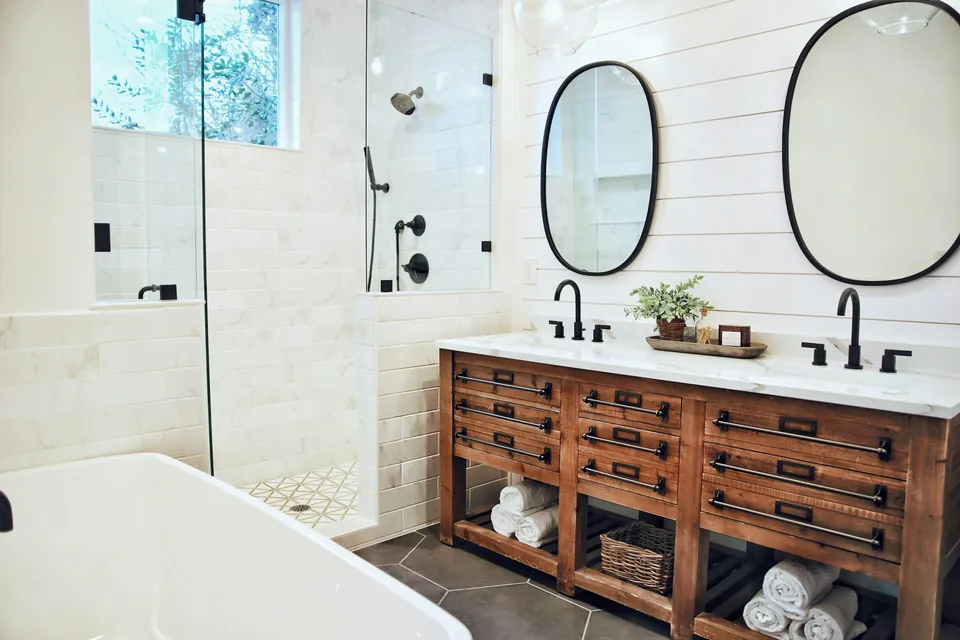
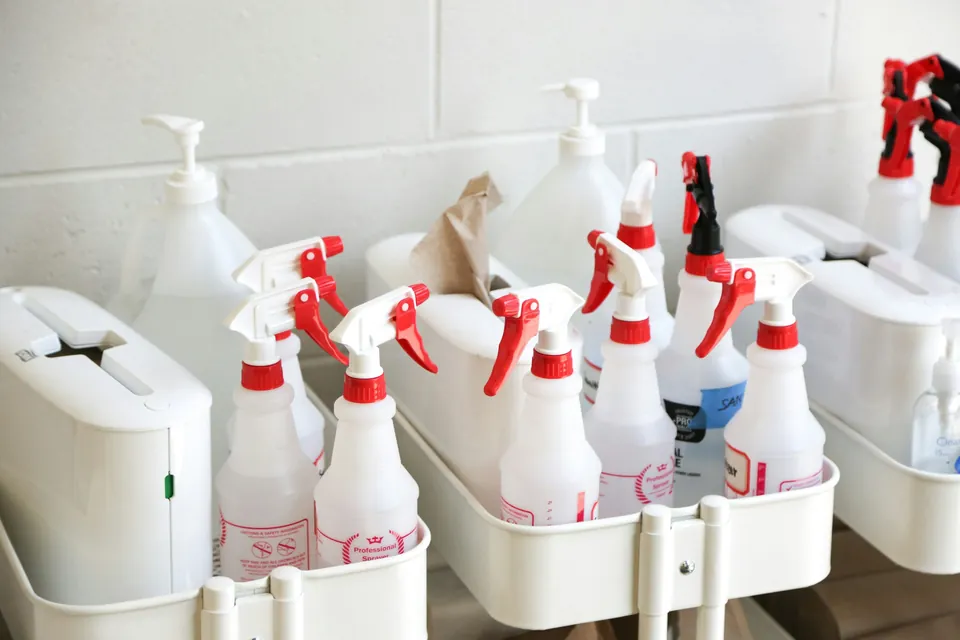
The bathroom only takes ten minutes to clean, but the supplies live in a cupboard downstairs, the cloths are in the laundry and the spray is nearly empty. Cleaning caddies remove the gathering step, which is often the reason a small job gets put off.
One caddy per kind of job
Most homes need two or three: one for bathrooms, one for general surfaces and perhaps one for floors. Each holds only what that job needs, such as a cleaner, cloths, a brush and gloves. A caddy that holds everything is just a heavy cupboard with a handle.
Store it where the job happens
A bathroom caddy under the bathroom sink or on a high shelf in that room saves the walk. Two-storey homes often find a caddy per floor is worth the duplication.
Keep chemicals safe
Store cleaning products in their original labeled containers, never decant them into food or drink bottles, and never mix products together. If you have young children, keep cleaning supplies up high or behind a child-resistant latch. A caddy is for convenience, not for leaving on the bathroom floor.
Sort the under-sink cupboard
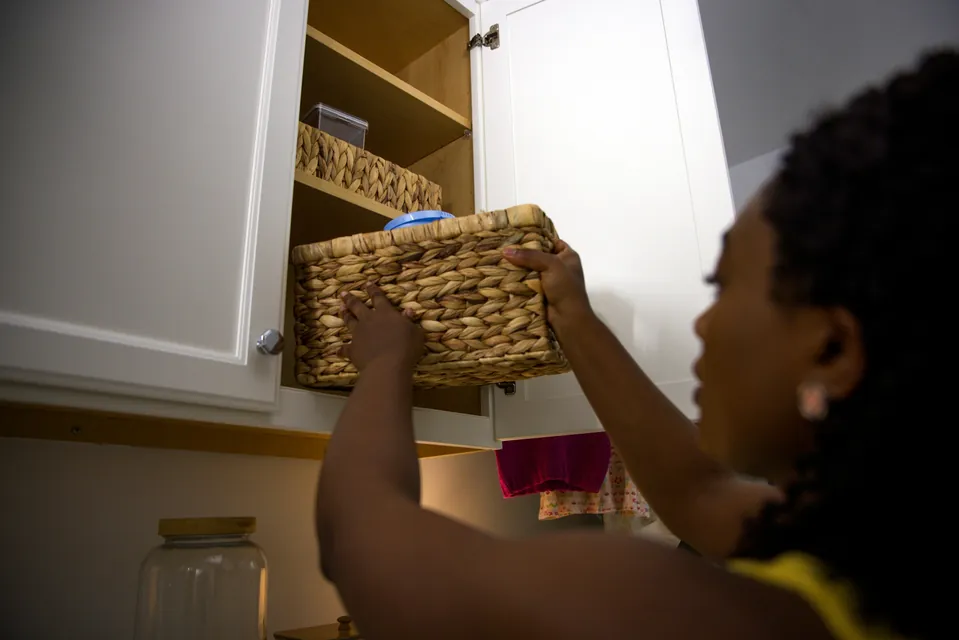
The cupboard under the kitchen sink is often the most crowded in the house. Use a tray to catch drips, a small bin for bags and sponges, and keep the space around pipes clear so you can spot a leak. If young children live in or visit your home, add a child-resistant latch to that cupboard.
Set a refill point
Keep one backup of each product in your main supply area. When the backup comes into use, add the product to the shopping list. Our last spare rule explains the handoff.
Wash cloths as part of laundry
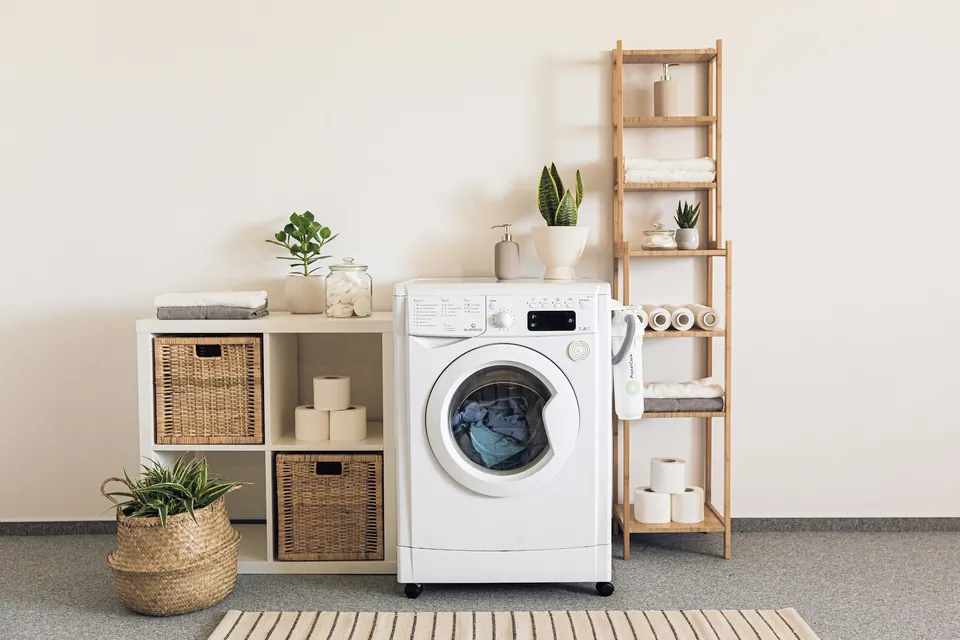
Microfiber cloths and mop pads can have their own small bag that goes in with a regular load. Clean cloths go straight back into the caddies.
Adapt these ideas to your household. Organization guidance is general information, not medical, safety or financial advice.