
A power cut is often just an inconvenience, but it is much easier with a little preparation, and a few safety rules matter a lot. This plan follows Ready.gov’s power outage guidance.
Before an outage
- Keep flashlights and spare batteries where everyone can find them in the dark. Avoid candles if you can; they are a fire risk.
- Have a battery bank or a way to charge phones.
- Know how to open an electric garage door manually.
- If anyone relies on medical equipment or refrigerated medicines, talk to your doctor or pharmacist about a plan.
- Test smoke and carbon monoxide alarms; the home maintenance checklist reminds you monthly.
During an outage
- Keep the fridge and freezer closed. Ready.gov says a fridge keeps food cold for about four hours, and a full freezer holds its temperature for about 48 hours (24 if half full).
- Unplug appliances and electronics to protect them from surges when power returns.
- Use generators only outdoors and well away from windows, doors and vents. Never use a generator, camp stove or charcoal grill indoors or in a garage: carbon monoxide can kill.
- Never use a gas oven or stove to heat the home.
- Check on neighbors, especially older people.
After the power returns
Throw away refrigerated food that has been above 40°F (4°C) for two hours or more. When in doubt, throw it out.
Make it less scary for children
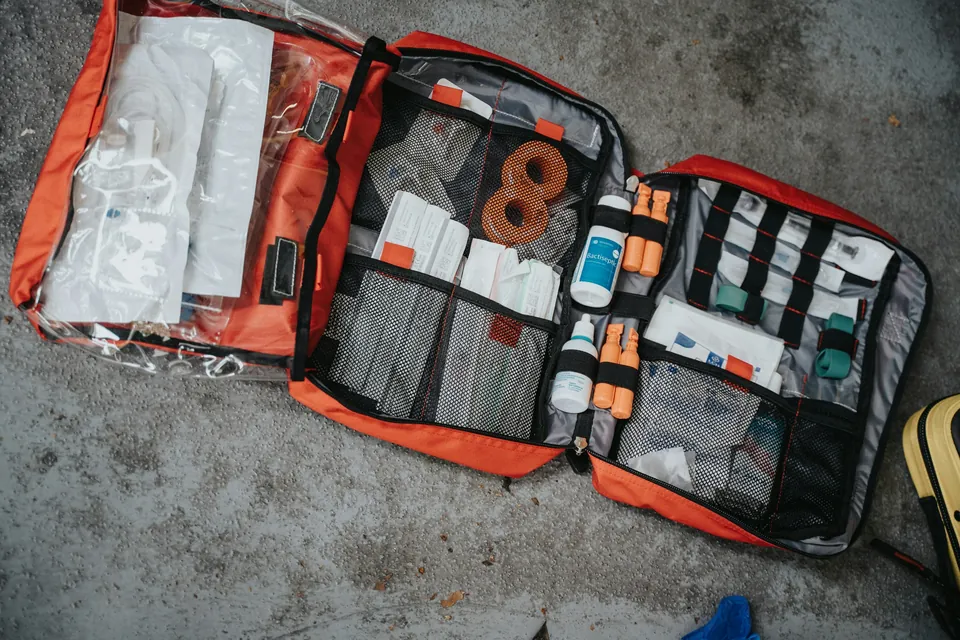
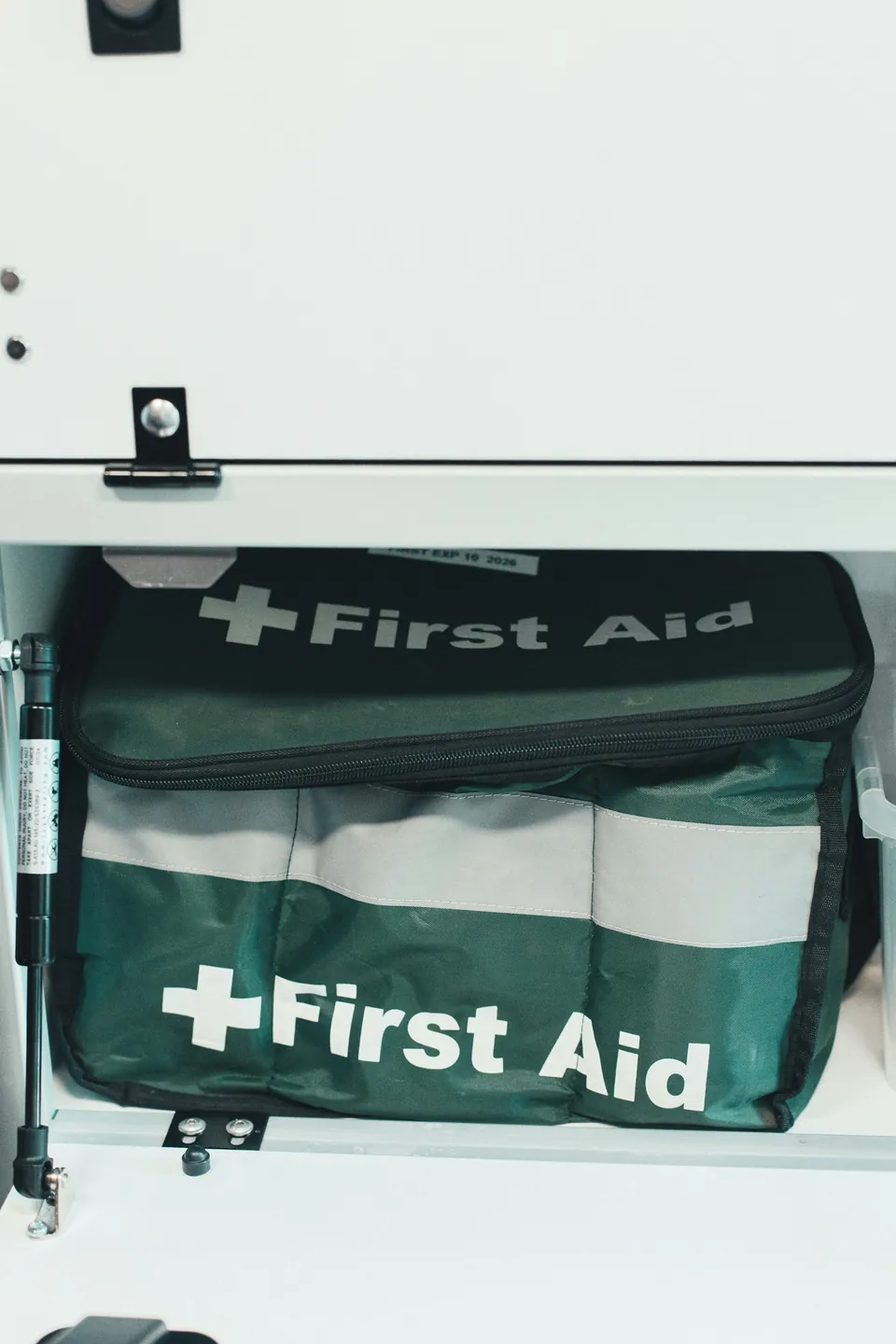
A “power cut box” with flashlights, a book and a card game turns it into an adventure. Practice finding the flashlights in the dark once. Keep it with your emergency kit.
Sources & further reading
Adapt these ideas to your household. Organization guidance is general information, not medical, safety or financial advice.