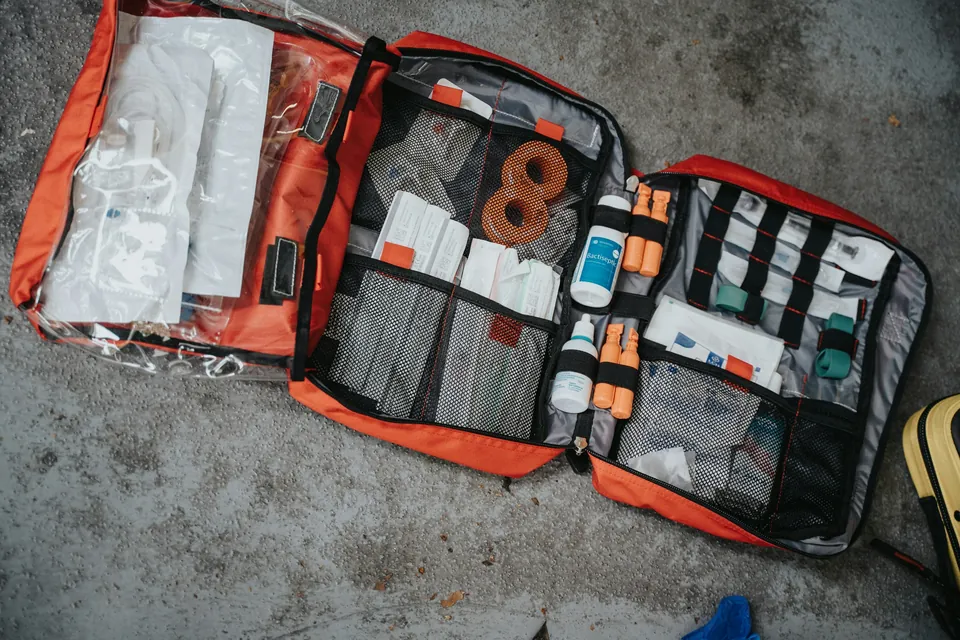
An emergency kit is a set of supplies that would help your household manage for several days without power, water or shops. This list follows the basic kit recommended by Ready.gov, the U.S. government’s preparedness site. Check your local authorities’ advice for risks in your area.
The basic kit
- Water: one gallon per person per day for several days, for drinking and sanitation
- Food: at least a several-day supply of non-perishable food, and a manual can opener
- A battery-powered or hand-crank radio, ideally with weather alerts
- Flashlights and extra batteries
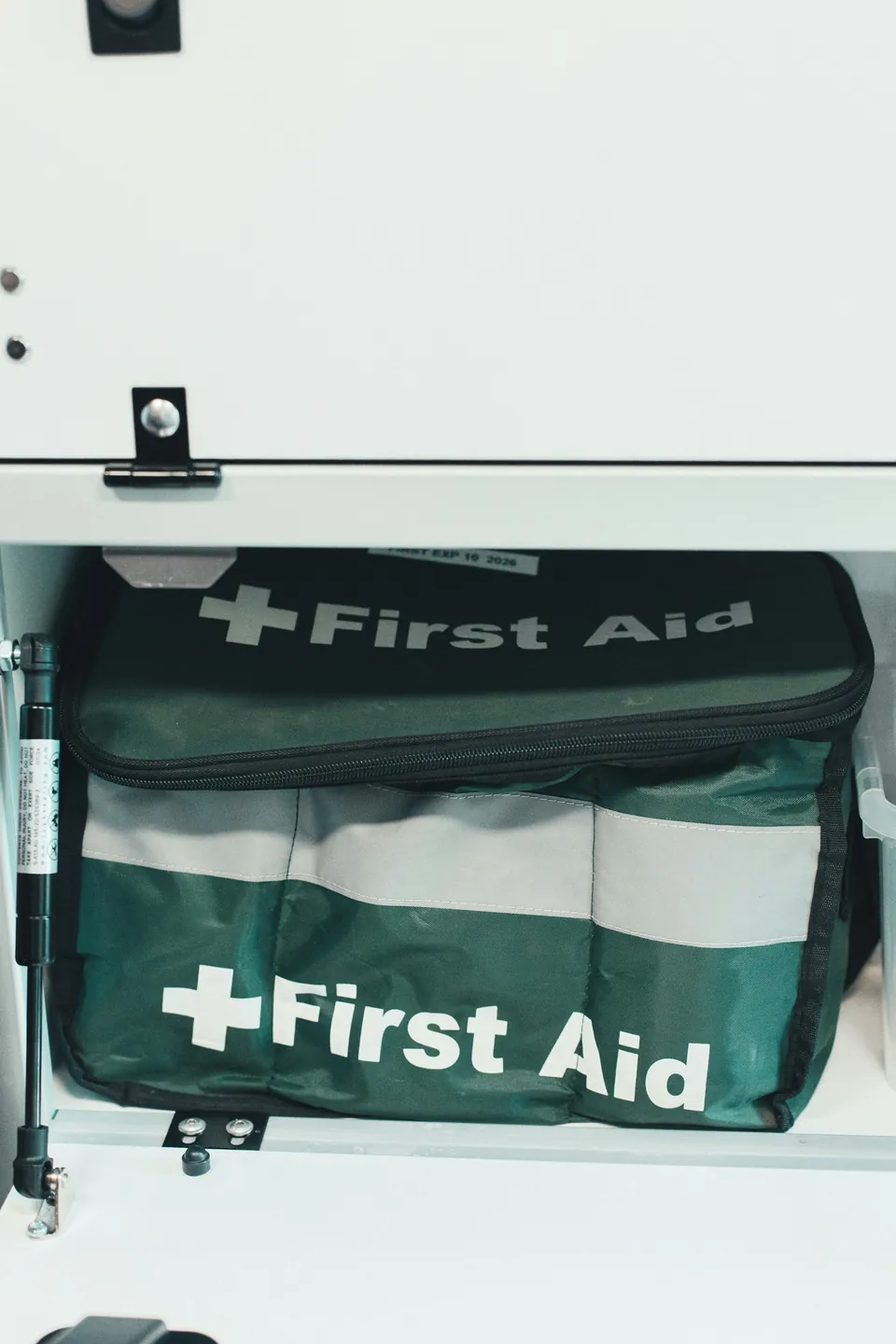
- A first aid kit
- A whistle to signal for help
- Dust masks, plastic sheeting and duct tape
- Moist towelettes, rubbish bags and plastic ties for sanitation
- A wrench or pliers to turn off utilities
- Local maps
- A phone with chargers and a backup battery
Add for your family
- Prescription medicines, glasses and any medical supplies
- Infant formula, bottles, diapers and wipes
- Pet food, water and a carrier
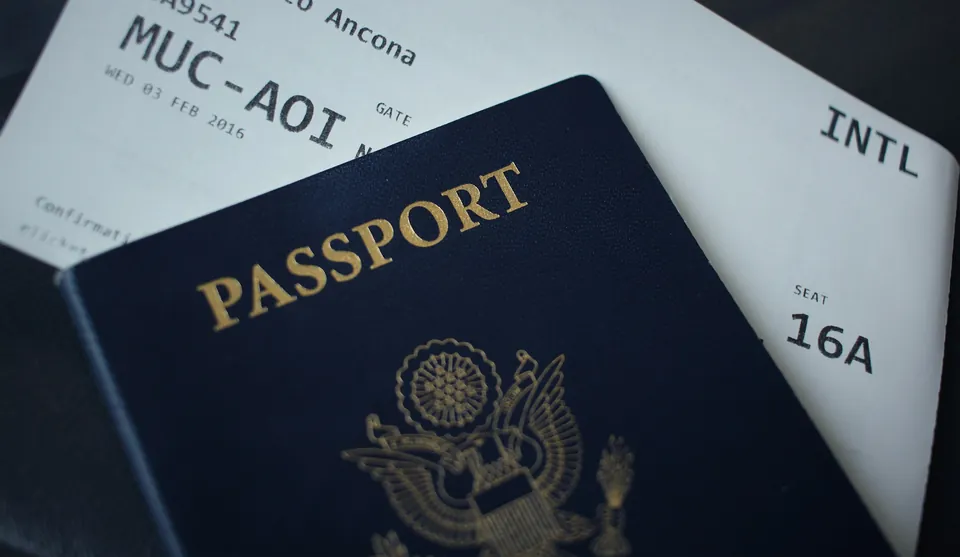
- Copies of important documents in a waterproof bag (see the important documents checklist)
- Cash, a change of clothes and sturdy shoes for each person
- Sleeping bags or blankets
- Paper, pencils, books, games and a comfort item for each child
Store and check it
Keep the kit in one or two easy-to-carry containers, in a cool, dry place everyone knows about. Check it twice a year, perhaps when the clocks change: replace expired food, water and medicines, and update clothes as children grow.
Make a plan too
A kit works best with a plan: how you will contact each other and where you will meet. Fill in the family information sheet, and use our printable emergency kit checklist, which works out the water for your household.
Sources & further reading
Adapt these ideas to your household. Organization guidance is general information, not medical, safety or financial advice.