
A lot of cleaning routines quietly assume someone is home all day. If you work outside the home, the realistic window can be the two or three hours between getting home and bedtime, and much of that is dinner, homework and baths. A schedule that ignores this will fail by Wednesday.
Split the work into three layers
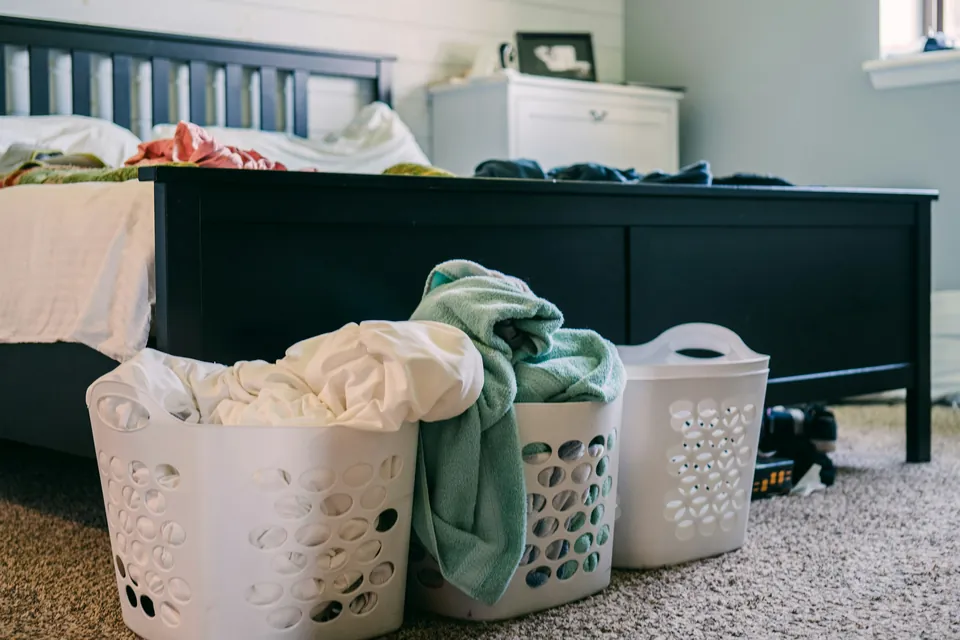
- Daily resets that take ten to fifteen minutes: dishes done or loaded, counters wiped, a quick pickup of the main living area and one load of laundry moving.
- One zone a day for the bigger weekly jobs: bathrooms on Monday, floors on Tuesday, bedrooms on Wednesday, and so on. Each zone gets about twenty minutes.
- A monthly list for the jobs that don't need doing every week: wiping cupboard fronts, cleaning the microwave, washing pillows, dusting high shelves.
Use a timer, and stop when it rings
A short, fixed time makes starting easier. Ten minutes of tidying with the whole family, music on, often beats an hour of one adult cleaning alone. When the timer rings, stop. The point is that it happens every day.
Give everyone a piece
Children can put their own things away, match socks, wipe the table or empty small bins. Tie each job to a moment that already exists, such as after dinner or before screens. Our chores by age guide suggests jobs for each stage.
Plan for the weeks that go wrong
Some weeks the schedule will slip: illness, late meetings, school events. Decide in advance what the minimum is, perhaps dishes, clean clothes for tomorrow and a clear path through the hallway, and let the rest wait for the next zone day.
Make the supplies easy to grab
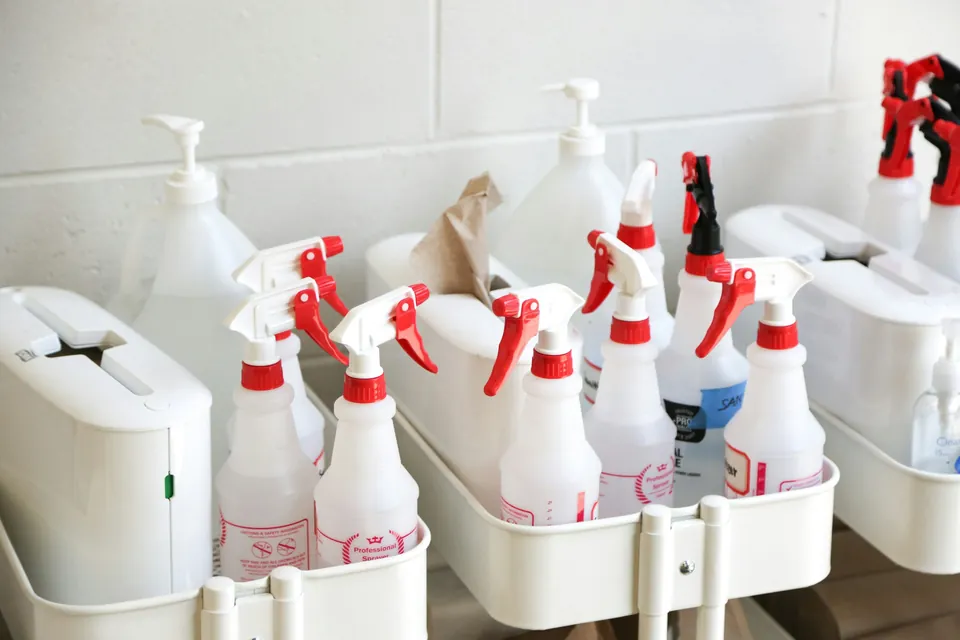
A caddy for each bathroom or each floor means a job can start without a trip to the cleaning cupboard. Our guide to grab-and-go cleaning caddies shows how to set them up.
Build your own schedule
Our free cleaning schedule builder asks how much time you have on each weekday and turns it into a printable plan.
Adapt these ideas to your household. Organization guidance is general information, not medical, safety or financial advice.