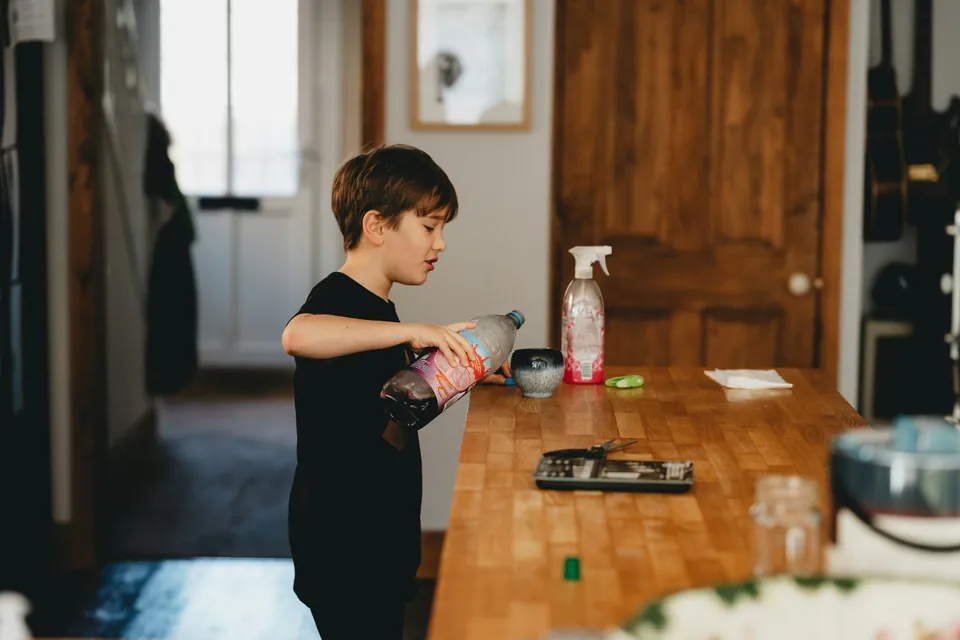
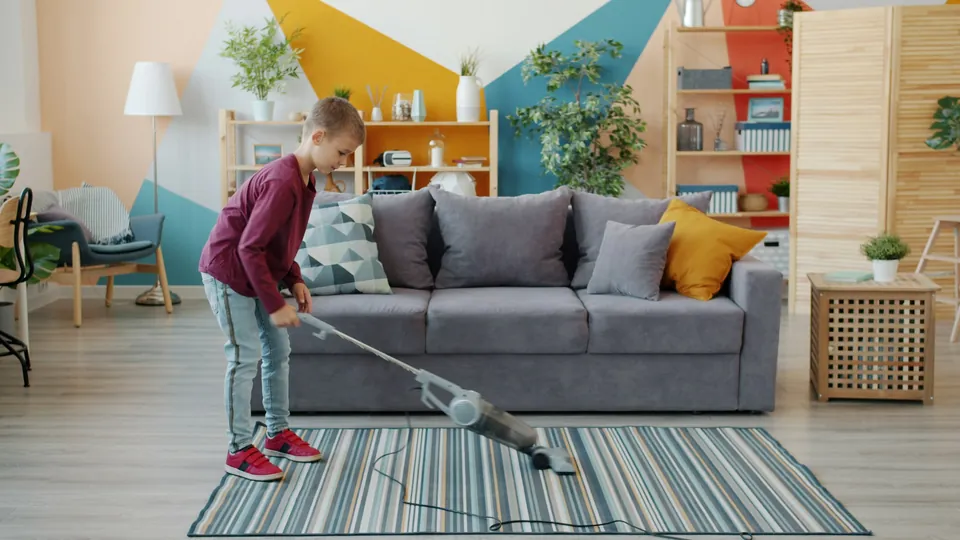
Almost every family has tried a chore chart, and most of those charts start strong and quietly stop within a couple of weeks. That is not a character flaw in you or your children. Charts tend to fail for a handful of predictable reasons, and each one has a fix.
It asks for too much at once
A chart with ten jobs per child is a wish list. Start with one or two jobs each, done at the same point in the day. Add a job only when the first ones happen without a debate.
The jobs are too vague
“Clean your room” means something different to a seven-year-old than it does to you. Break a job into steps a child can see: clothes in the hamper, books on the shelf, toys in the bins. If a job has more than four steps, it probably needs its own small checklist.
Nobody taught the job
A chart can remind, but it cannot teach. Show the job, do it together, let your child try while you are nearby, then step back. Expect a learning period. The American Academy of Pediatrics suggests praising the effort rather than expecting perfection while skills develop.
The chart lives in the wrong place
A chart on the fridge does not help with a job in the bathroom. Put the reminder where the work happens, or tie the job to a moment in the day: “after dinner” is a better cue than “sometime this evening.”
The reward system became the job
Points, stickers and allowance can help some families, but a complicated system needs its own management. If tracking the rewards takes longer than the chores, simplify. Some families pay for a few extra jobs and keep everyday contributions separate. Decide what you are teaching, then choose the lightest system that supports it.
It was never reviewed
Children grow, schedules change, and a chart that fit in September may not fit in February. Hold a five-minute check-in every few weeks. Ask what feels hard, swap a job, or promote a child to something new. Being trusted with a bigger job can be motivating on its own.
A simple restart
If your chart has stalled, keep the paper and start small again:
- Choose one job per child that genuinely helps the household.
- Attach it to a moment that already happens every day.
- Teach it once, together, this week.
- Review it in two weeks and adjust.
Looking for ideas that suit your children? Try our free chores by age guide.
Sources & further reading
Adapt these ideas to your household. Organization guidance is general information, not medical, safety or financial advice.