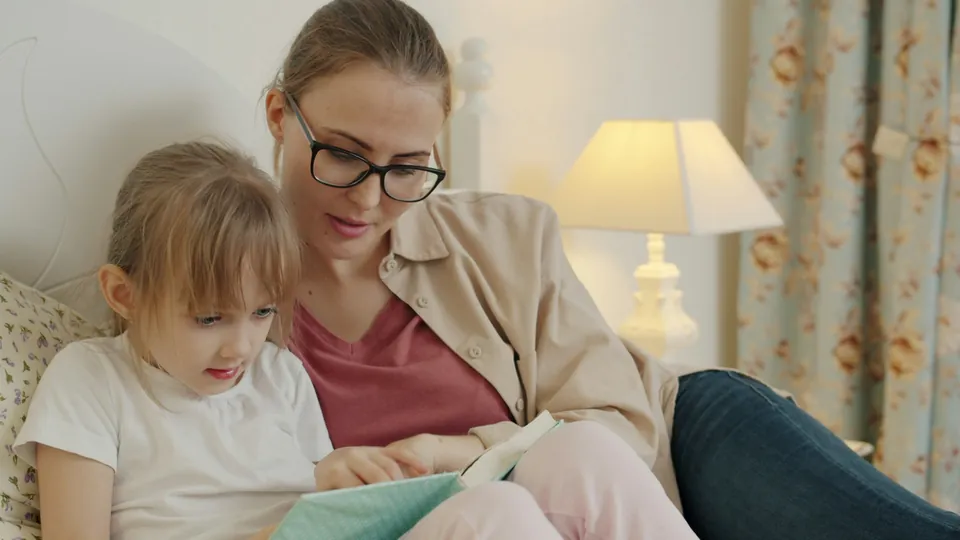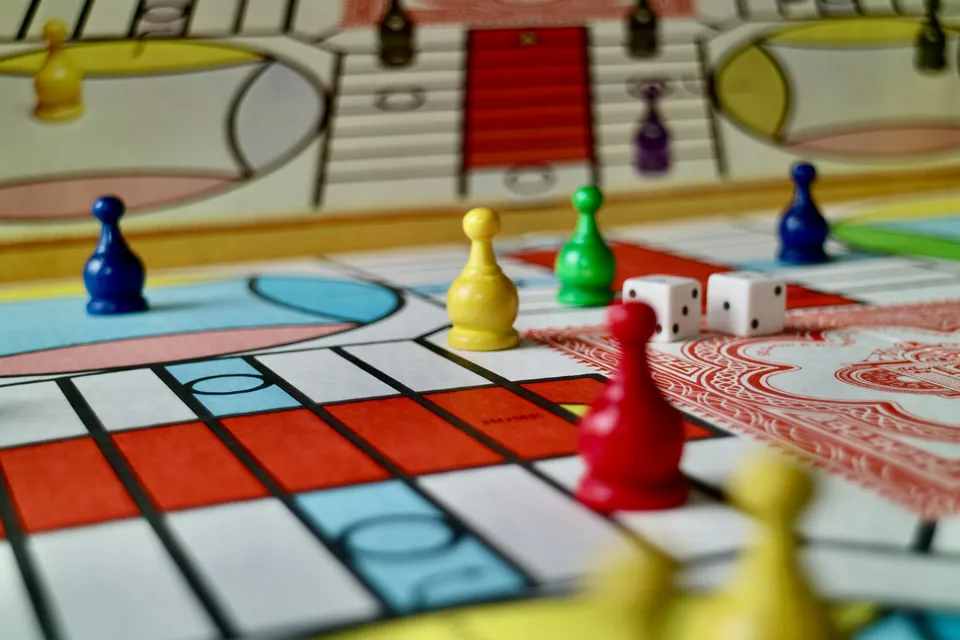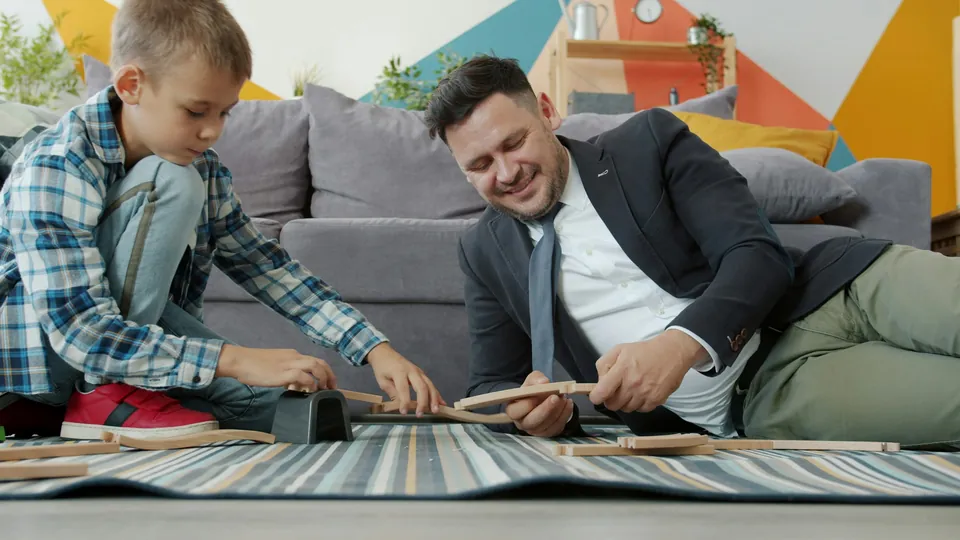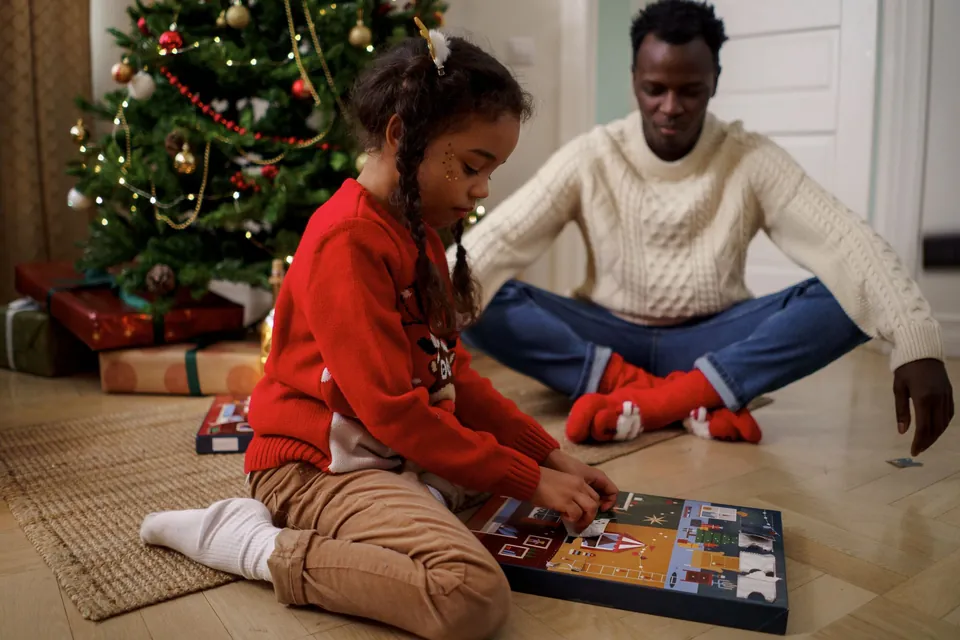
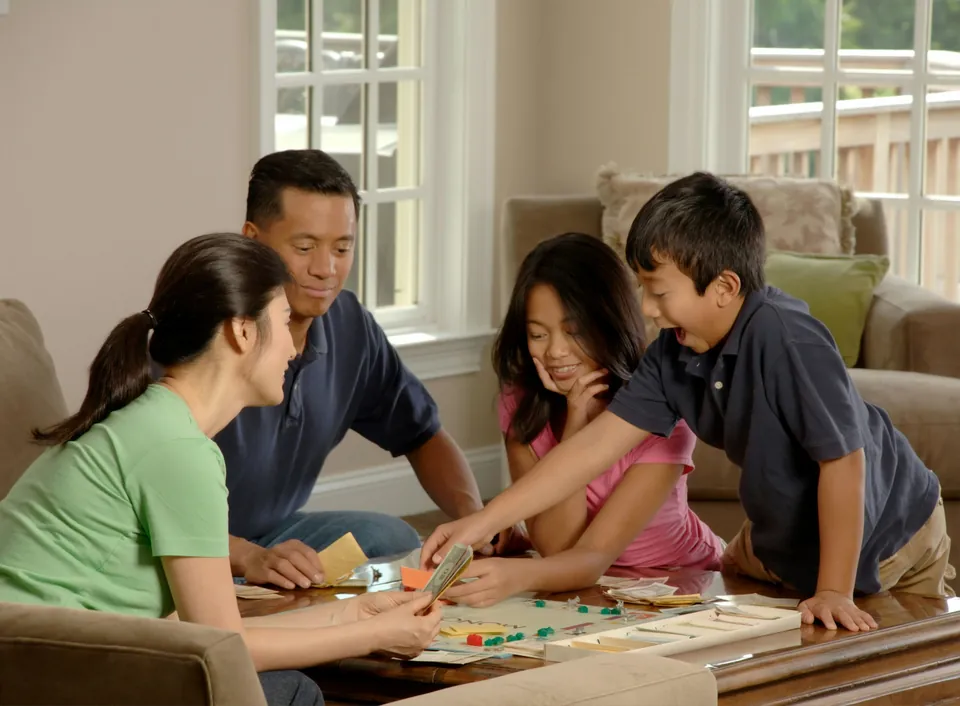
Game night works because it is regular and simple: the same night each week or fortnight, a game everyone can play and something small that makes it feel special.
Pick a night and protect it
Friday or Sunday evenings often work. Put it on the family calendar so it is not squeezed out by other plans.
Rotate who chooses
Each week, a different person picks the game. Younger children feel included, and older children learn to choose something that works for everyone.
Have games for every age
- Mixed ages: cooperative games where everyone wins or loses together, simple card games, picture bingo.
- School-age children: strategy board games, word games, charades and drawing games.
- Teens: longer strategy games, trivia and party games.
Keep it simple
Short games keep younger children engaged. Two quick games often work better than one long one.
Add a ritual
Popcorn, a special drink or playing on the floor with blankets makes it feel like an event, not a chore.
Be a good loser
Model winning and losing gracefully. Cooperative games help children who find losing hard.
Pack away together
The last part of game night is putting every piece back. See board game and puzzle storage that keeps every piece. For screen-free ideas on other nights, try the activity jar.
Adapt these ideas to your household. Organization guidance is general information, not medical, safety or financial advice.